A Natural Park that surprises visitors with its endemic biodiversity
Flora:
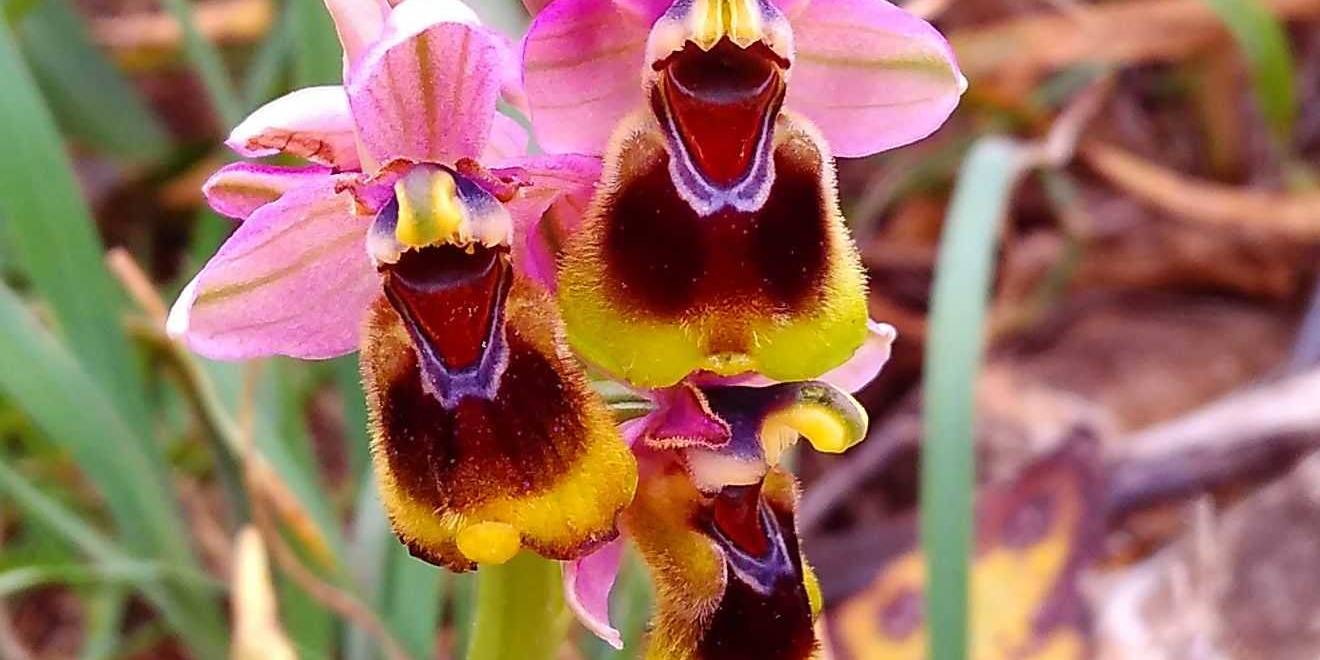
The vegetation of Montgó is fundamental to its designation as a Natural Park, it is home to more than 650 species of flora in a relatively small area, with a notable number of endemic species. On the peaks, kermes oak and rosemary predominate, while holm oak, dominated by the kermes oak, is found in very specific areas that are less affected by human activity and retain sufficient soil.
The wet cliffs are home to endemic species, and in warmer areas, there are plants that have adapted to extreme conditions.
The proximity to the sea encourages the presence of plant communities such as sea fennel and sea carrot, along with seaweed on the seabed. Of particular note are the Posidonia oceanica meadows, which are essential for the health of the marine ecosystem, as they provide shelter and food for various species, as well as contributing to water quality and beach protection.
Fauna:
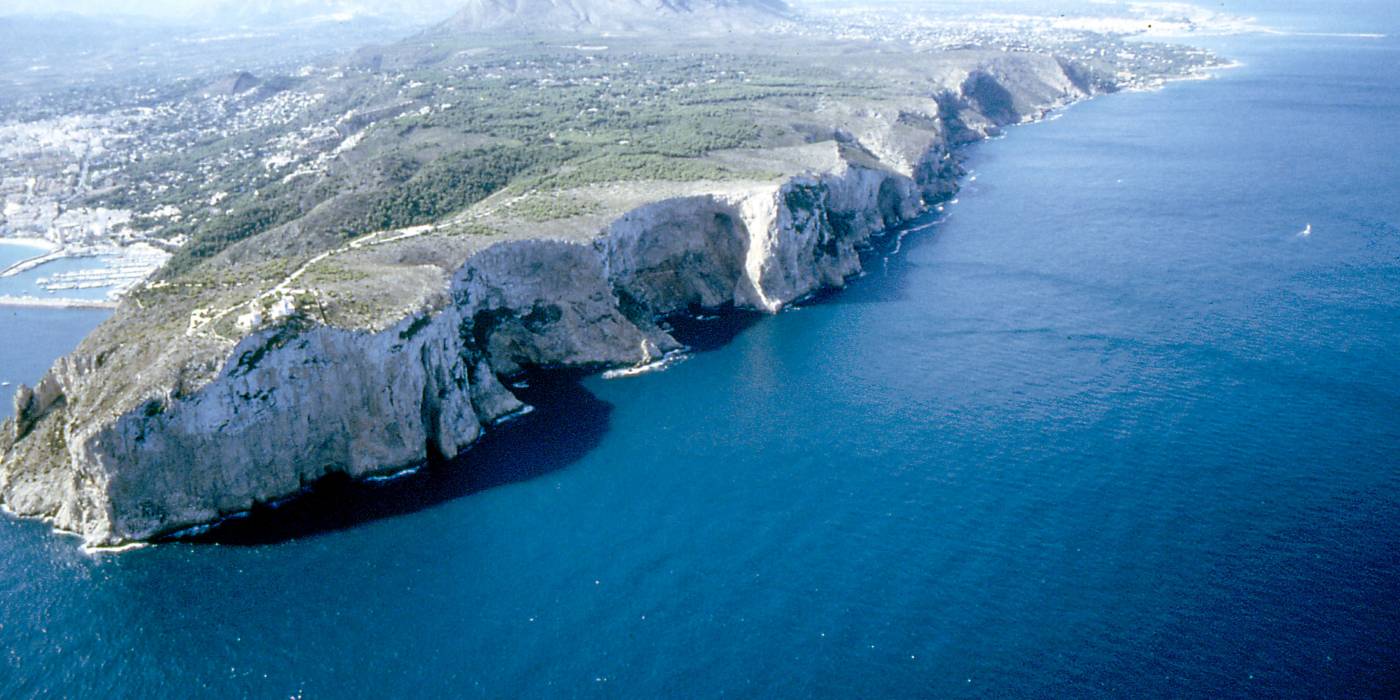
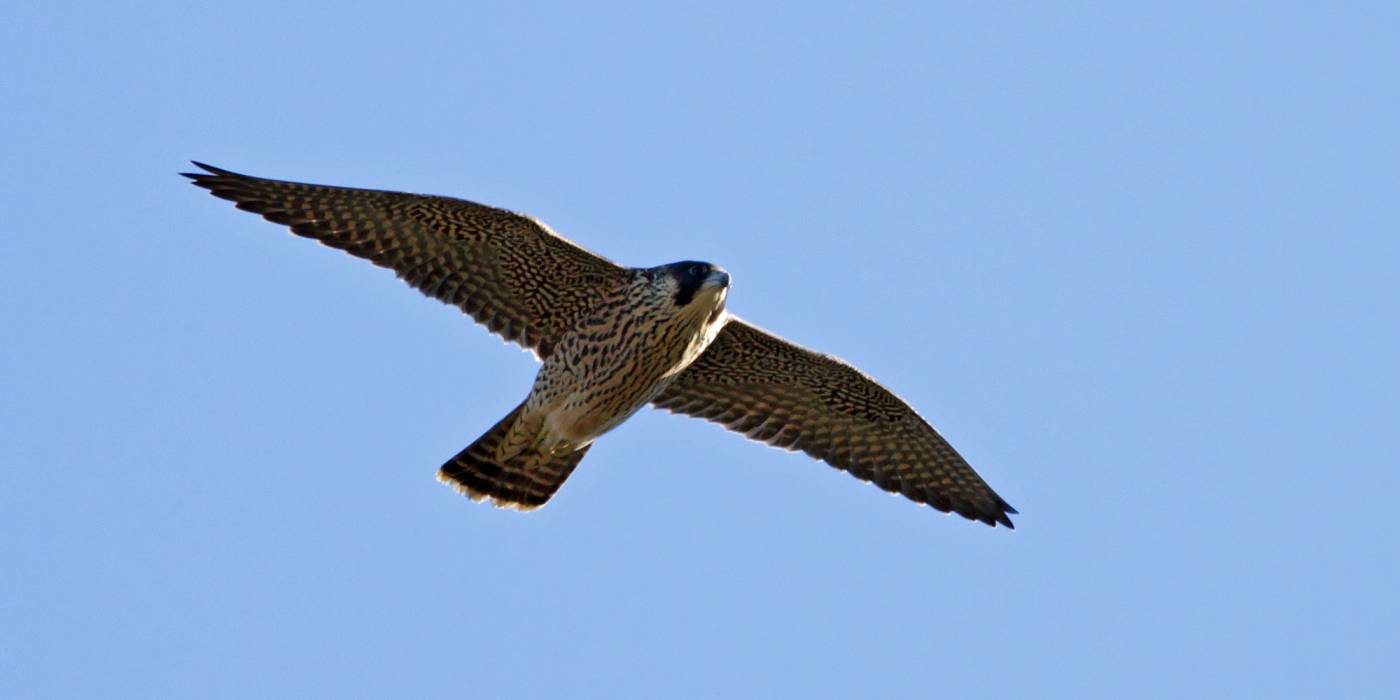
The fauna of Montgó Natural Park is closely linked to its landscapes and flora. Species such as the shag, the common kestrel and the peregrine falcon inhabit the Cape of San Antonio's sea cliffs, along with gulls and corvids.
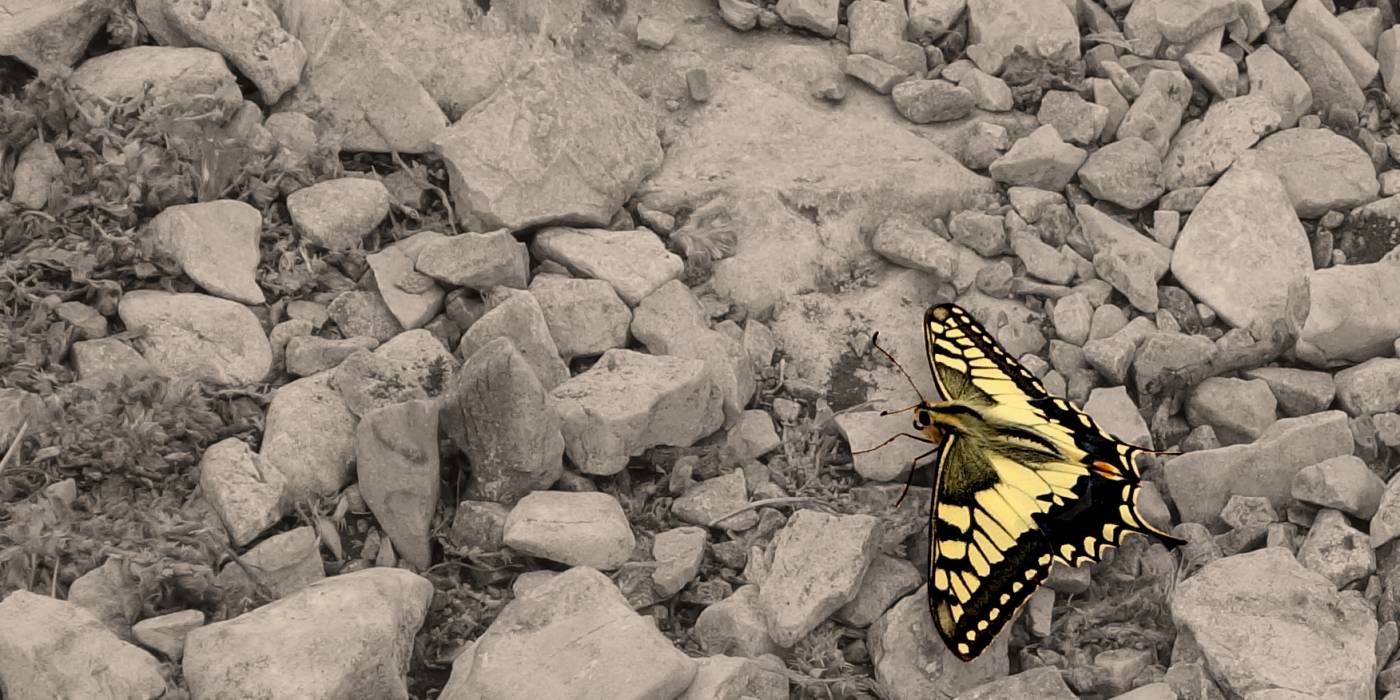
Among the kermes oak and pine forests, birds like great tits and mammals such as hedgehogs and wild boars take refuge. Bats, including the endangered long-tailed bat, are important to the ecosystem as they control insect populations. Amphibians are also present, including the common toad and the runner toad, as well as reptiles such as the long-tailed lizard and the snub-nosed viper.
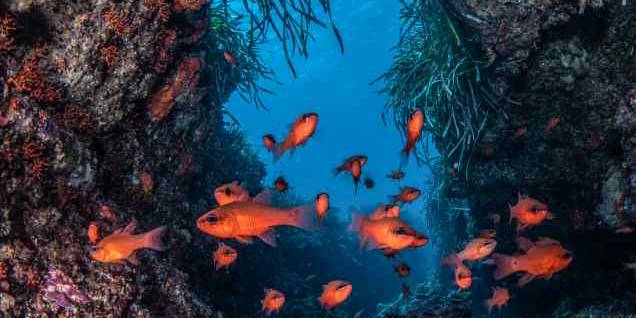
The marine reserve also stands out for its biodiversity, with species ranging from anemones and crabs to fish such as moray eels and octopuses, as well as molluscs and crustaceans, forming a rich and diverse ecosystem at different depths.