Nature in its purest form
The Marina Alta
The Marina Alta is made up of 33 municipalities and covers an area of 759.30 km². Its population reaches 180,000 inhabitants. It is considered a true scenic and environmental gem located in the north of the Province of Alicante. This beautiful corner of Spanish geography is appreciated for its natural beauty, ecological diversity, and rich cultural heritage. The Marina Alta is an ideal destination for those looking to connect with nature while also experiencing the cultural richness of the region.
Natural Reserves
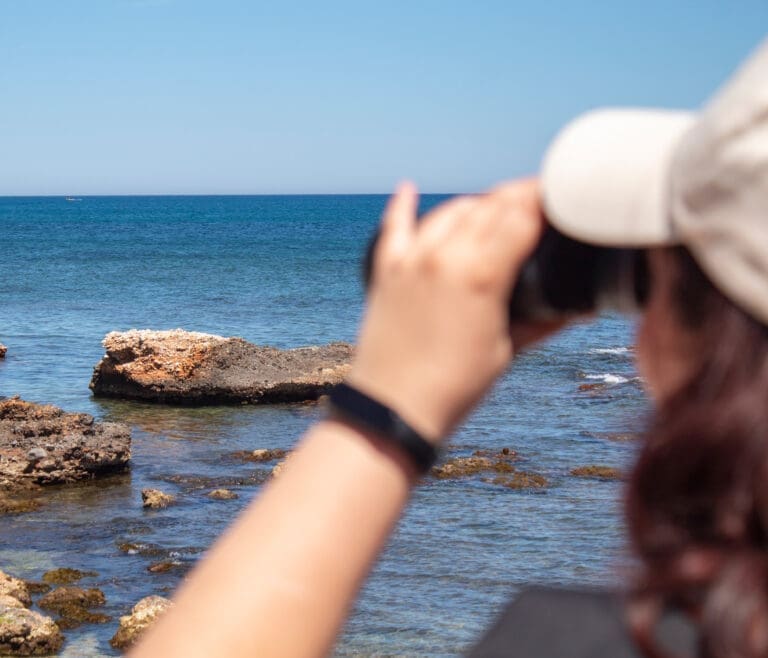
The Marina Alta is home to several protected areas, including three natural parks and one marine reserve. These areas serve as a refuge for a wide variety of flora and fauna and offer unique opportunities for birdwatching, spotting large marine mammals, enjoying extensive Posidonia seagrass meadows, and supporting biodiversity conservation. They include:
- Peñon de Ifach Natural Park (January 1987).
- Montgó Natural Park (March 1987).
- San Antonio Cape Marine Reserve (March 1987).
- Pego-Oliva Marsh Natural Park (December 1997).
Impressive Landscapes
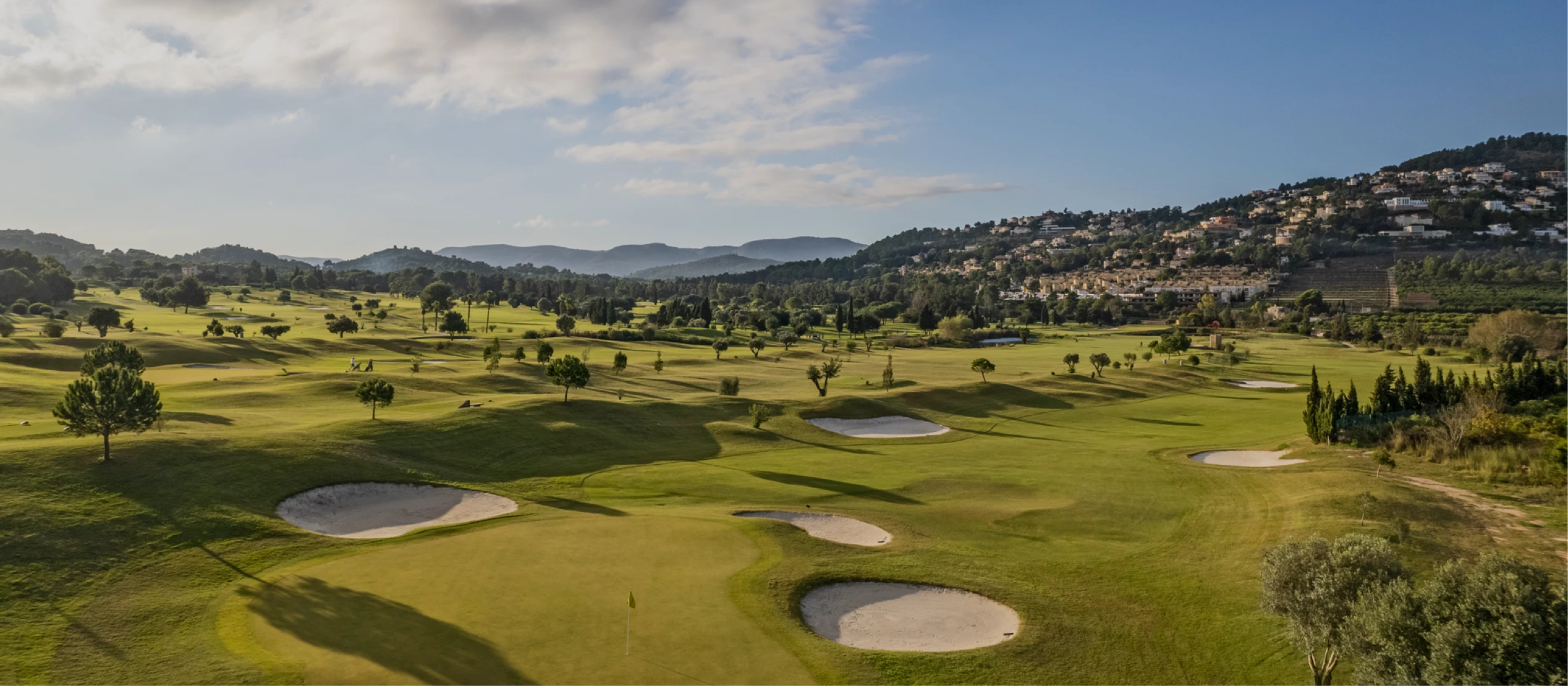
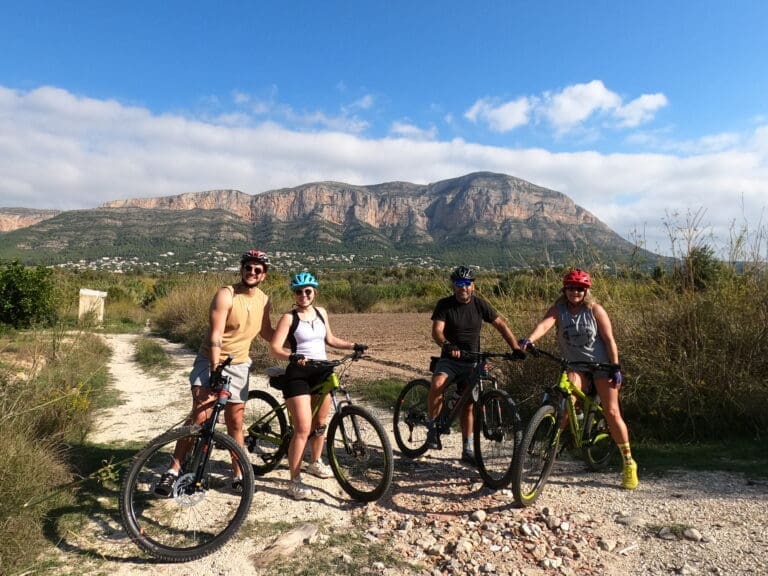
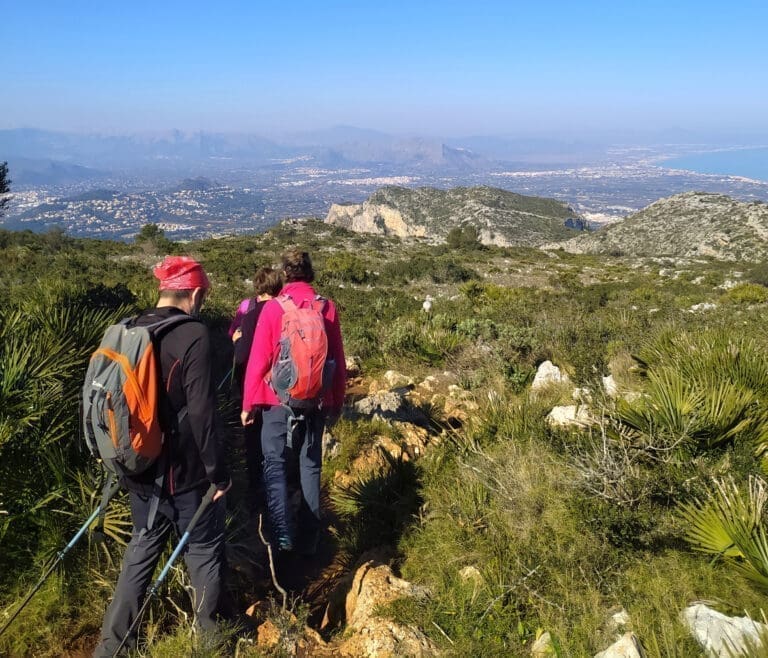
The Marina Alta is characterized by a varied geography that includes mountains, valleys, cliffs, and beaches. The Sierra de Bernia and the Sierra de Segària are two examples of the majestic mountain ranges that mark this region, offering opportunities for hiking and nature observation.
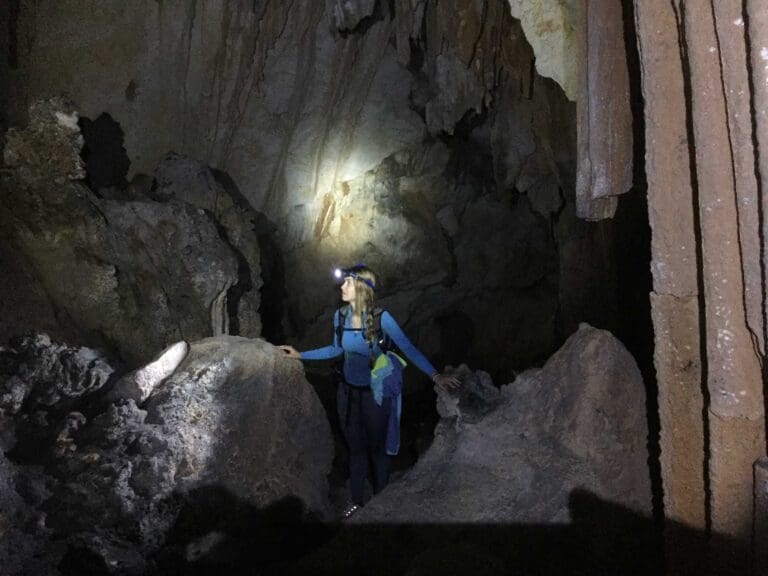
Inland, the landscape changes dramatically, giving way to almond, orange, and cherry trees, small villages that preserve their traditions, caves, hills, and natural sites. This inland area is known as the Valleys of the Marina and includes the valleys of Gallinera, Laguar, Ebo, Pop, and Alcalà, among others.
Mediterranean Coast
The coast of the Marina Alta stretches along the Mediterranean Sea and offers a series of dream beaches, many of them awarded with Blue Flags. From golden sandy beaches to hidden coves between cliffs, there are options for all preferences—ideal for swimming, diving, and all kinds of water sports.
Sustainable Agriculture
Agriculture is a key part of life in the Marina Alta, and the region is well known for its production of citrus fruits, wines, and high-quality olive oil. Sustainable farming methods and organic production are increasingly common, contributing to the preservation of the natural environment. This commitment has earned Dénia and the Marina Alta recognition as a UNESCO Creative City of Gastronomy.
Cultural and Gastronomic Heritage
In addition to its natural beauty, the Marina Alta boasts a rich cultural heritage reflected in its traditional architecture, local festivals, and delicious gastronomy. The region is especially famous for rice dishes and the renowned Red Shrimp of Dénia.
It also holds 2 UNESCO titles:
- In 2015, Dénia, together with its region, was designated as a UNESCO Creative City of Gastronomy. This distinction highlights the importance of local cuisine and its role in the cultural and economic development of the region, while fostering creativity and the exchange of knowledge in the gastronomic field.
- In 2018, the dry-stone wall construction technique, known as “pedra seca” (dry stone), widely used in the region, was recognized as UNESCO Intangible Cultural Heritage of Humanity.
In 2024, Dénia, together with Ibiza (Balearic Islands) and Cambrils (Catalonia), launched the project “Viu la Posidonia”, aimed at protecting and raising awareness about the importance of Posidonia seagrass meadows in the Mediterranean.
Responsible Tourism
The Marina Alta has embraced the values of responsible and sustainable tourism as a way to preserve its natural beauty and its peaceful lifestyle. Many tourist establishments have adopted environmentally friendly practices.
Parques naturales
Parques naturales