Flora and fauna of the Pego-Oliva Marsh
volver
A Natural Park that amazes with its unique endemic biodiversity
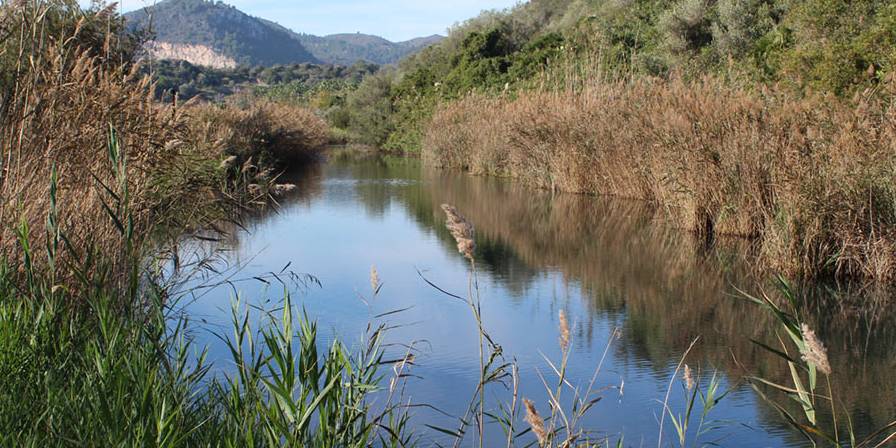
The Pego-Oliva Marsh is a natural park that stands out for its exceptional biodiversity, explained by its key role in bird migration and in water regulation.
Flora
The park’s main floristic value includes:
- Underwater meadows of submerged vegetation (macrophytes): The foundation of much of the ecosystem.
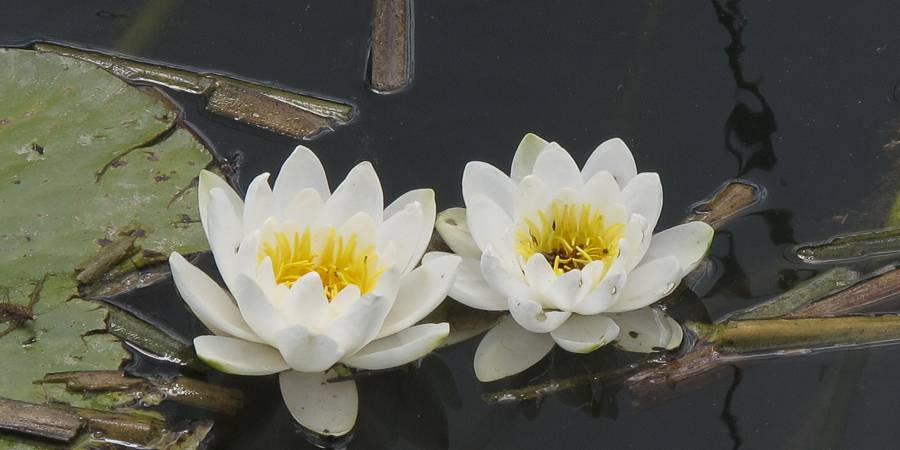
- Floating plant species: Well represented in the wetland, such as duckweed, white water lily, and pondweed.
- Plant formations of high biological interest: Serving as habitats, such as reed beds, aquatic vegetation, submerged meadows, marsh, and riparian vegetation.
Fauna
The park hosts a rich and varied fauna, including endemic and endangered species:
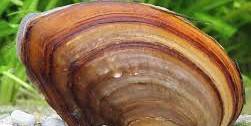
- Aquatic invertebrates: Endemic shrimp such as Dugastella valentina, freshwater mussels like Anodonta cygnea and Unio mancus.
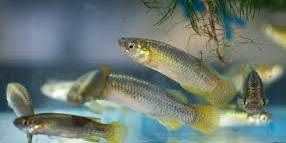
- Fish: Such as the Samaruc (Valencia hispanica), an endangered endemic species, and the toothcarp.
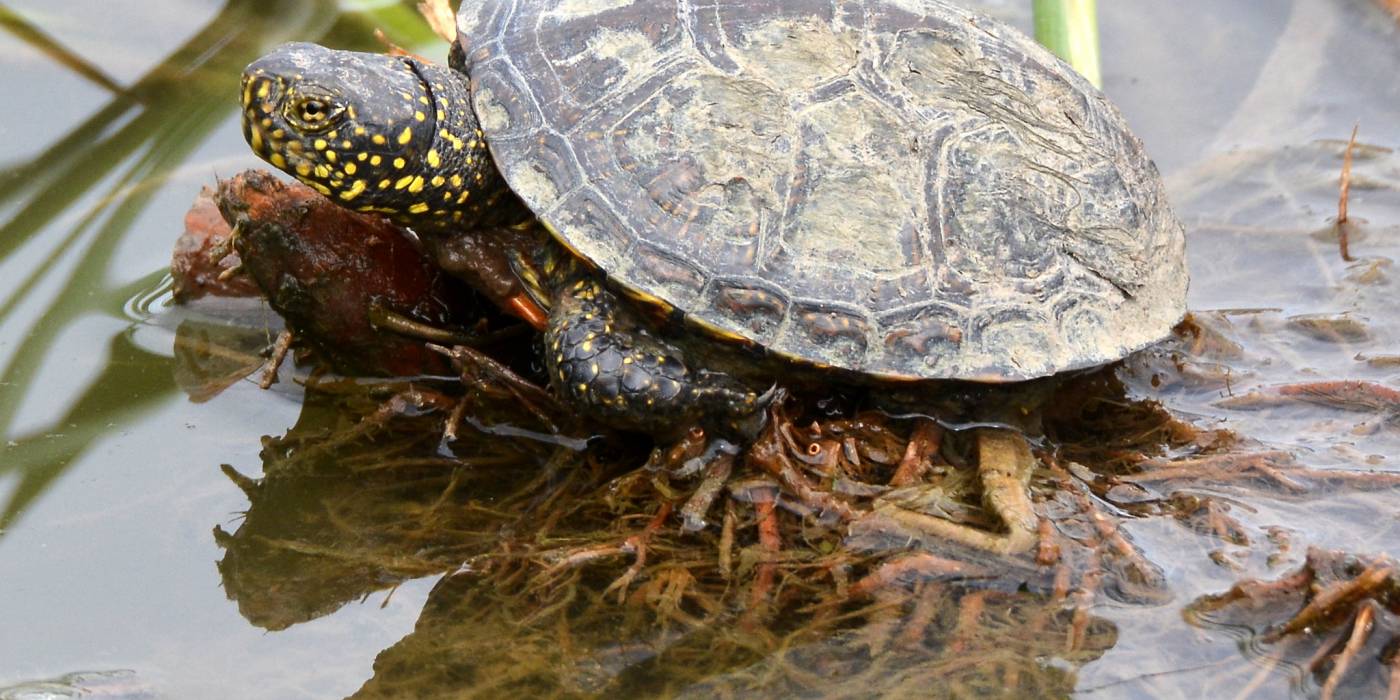
- Amphibians and reptiles: Including the European pond turtle (Emys orbicularis), the Spanish pond turtle (Mauremys caspica) and water snakes (Natrix maura, Natrix natrix).
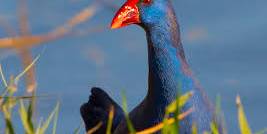
- Birds: The park is crucial for birds, listed under the Ramsar Convention. Notable species include the purple swamp hen (Porphyrio porphyrio), little grebe (Tachybaptus ruficollis), marbled teal (Marmaronetta angustirostris, endangered), whiskered tern (Chlidonias hybrida), little bittern (Ixobrychus minutus), and purple heron (Ardea purpurea).
Rice fields in the Pego-Oliva Marsh
Rice fields are an important component of the ecosystem, contributing to biodiversity and cultural value.
- Traditional cultivation: Transforming the wetland into rice fields has a long history; currently advanced technology is used, though climate challenges persist.
- Varieties of rice: Local varieties such as bomba and bombón are cultivated, with trials of organic rice production.
- Ecological importance: Provide habitats for waterbirds and help regulate water.
- Cultural and economic value: Represent a traditional activity, part of the local identity, and a sustainable economic use of the wetland.
The coexistence of human activity and conservation in the rice fields of the Pego-Oliva Marsh illustrates the integration of biodiversity and cultural heritage in the natural park.