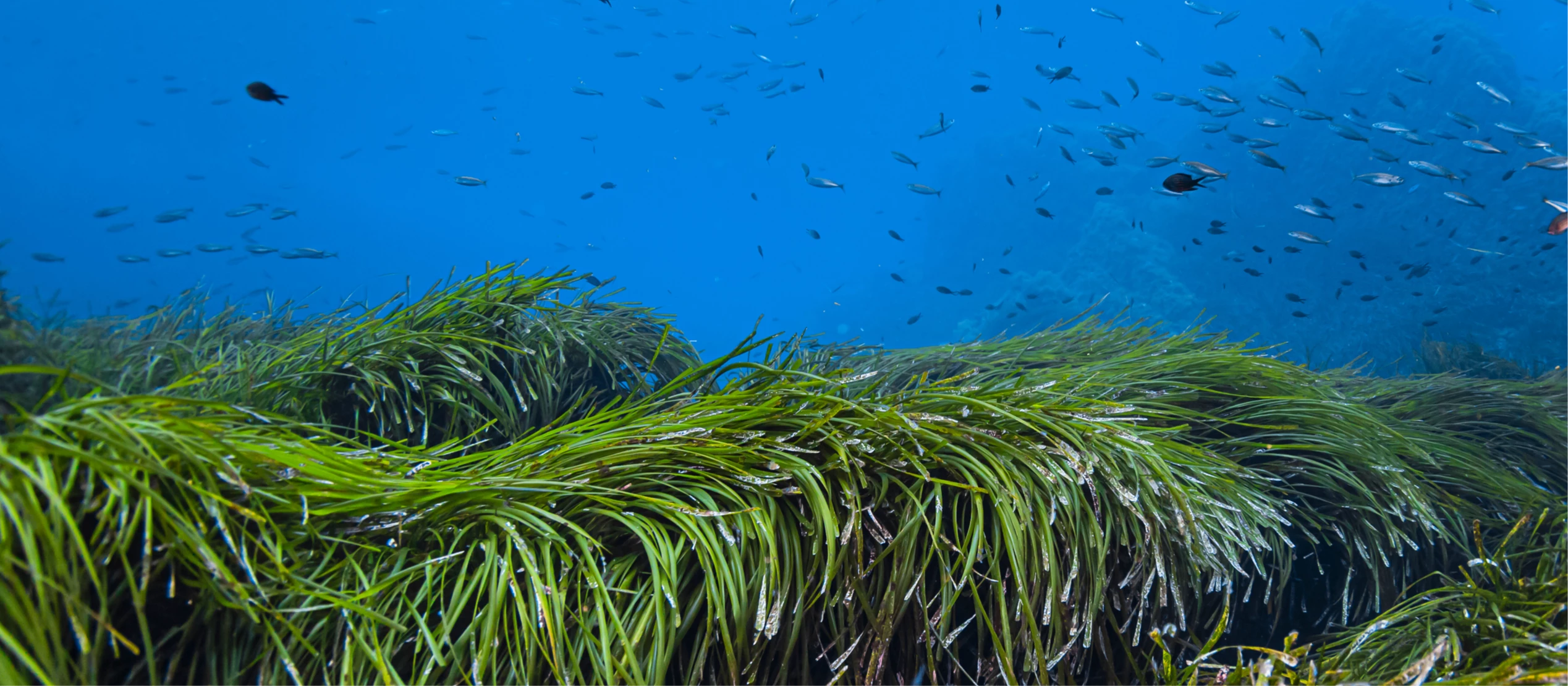
If you walk along the shore of our beaches, you may find piles of dry leaves that come with the waves. They are not algae, but remains of Posidonia oceanica, a unique marine plant of the Mediterranean and a real natural treasure that we must protect.
Why is posidonia so important?
The debris you see on the shore also serves a natural function: it cushions the waves, protects the sand and is part of the ecological cycle of the beach. Although they may be uncomfortable, they are the best indicator that you are on a living, well-preserved coastline.
A regulation for its conservation
To ensure the protection of posidonia and the coastline, in May 2024 the Generalitat Valenciana approved the Manual of Good Practices on the removal of posidonia remains, in compliance with Decree 64/2022. This document determines in which beaches, seasons and conditions the remains that reach the shore can be removed.
The catalog of beaches of Dénia distinguishes four categories:
It depends on this classification whether posidonia remains on the shore or whether it can be partially removed during the tourist season.
Beaches where posidonia is not removed as a general rule
On natural beaches and beaches of greater ecological value, removal is not permitted, although screening does take place, except on the strip closest to the shore, where the posidonia plants must be left, since posidonia protects the coast from erosion.
In Dénia, this affects:
Beaches where withdrawal is allowed
Between March 15 and October 31, controlled removal is authorized on certain stretches of urban beach:
Between June 1 and October 31 :
How to take care of it