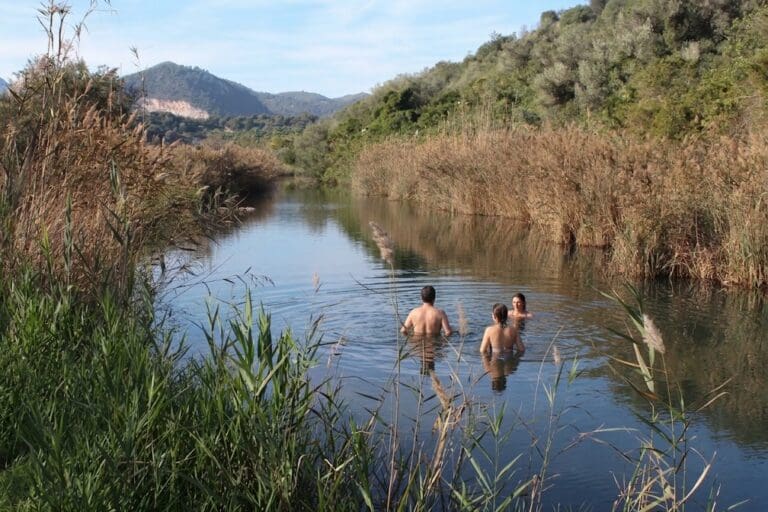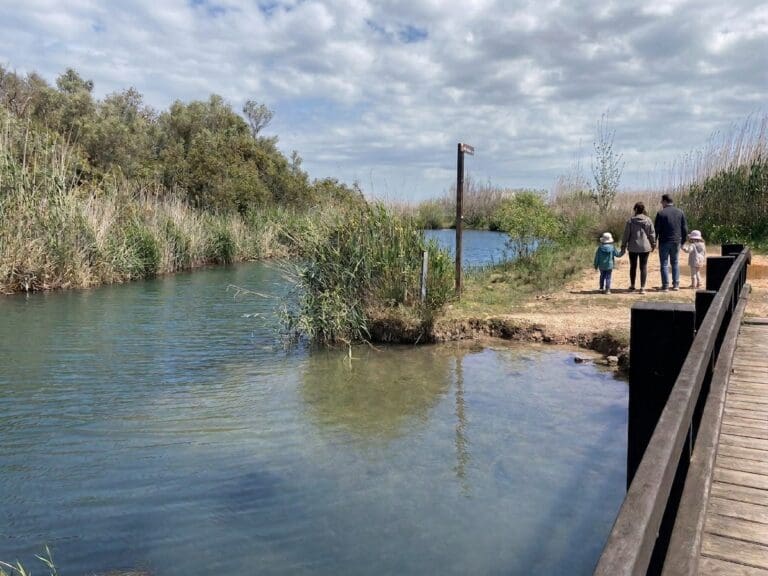
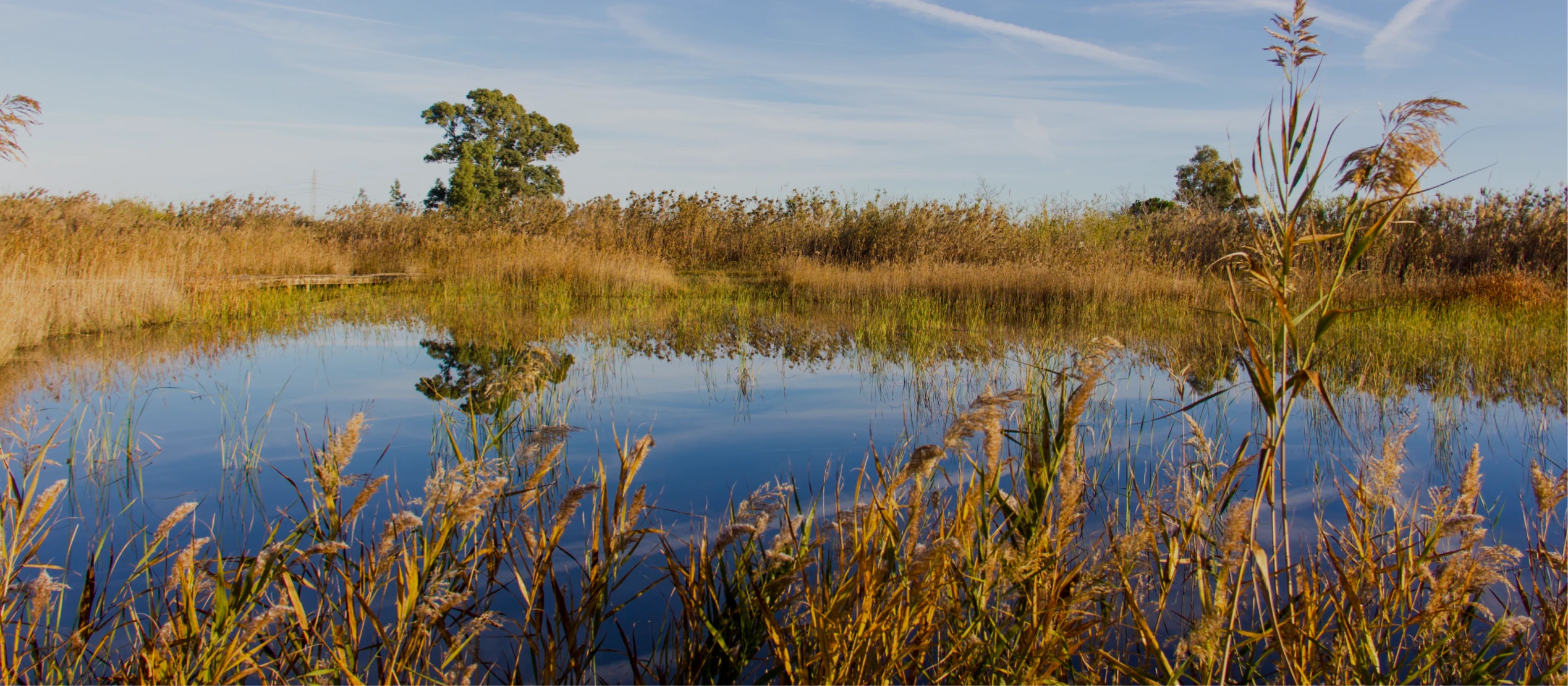
Declared a natural park in 1994, it also has international recognition such as its inclusion in the Ramsar Convention, its membership in the Natura 2000 Network and its designation as a Special Protection Area for Birds (SPA). Its mosaic of marshes, lagoons, dunes and coastal wetlands constitutes a key ecosystem for biodiversity, hosting a great variety of flora and fauna and becoming a resting and breeding point for numerous migratory birds.
This area is not only important from an ecological point of view, but also from a cultural and gastronomic point of view. Its fertile soils and excellent quality water have allowed the cultivation of rice since Muslim times, with about 90 hectares dedicated today to traditional varieties such as bomba rice and the recovered bombón rice, linked to the gastronomic identity of the Marina Alta and Dénia as a Creative City of Gastronomy by UNESCO.
In addition to its agricultural value, the marsh plays an essential role in water regulation, flood prevention and conservation of natural resources, while offering visitors the opportunity to enjoy nature through trails, bird watching and environmental education activities.
Marjal Pego-Oliva NP Interpretation Center
The Interpretation Center of the Marjal Pego-Oliva is the place of reference to start the visit to this unique wetland. Here, visitors can obtain detailed information about the natural wealth of the park, its routes and the environmental values that make it one of the most important spaces in the Valencian Community. Its team offers personalized attention and educational materials that help to understand the biodiversity and ecological function of this ecosystem.
Visitor service
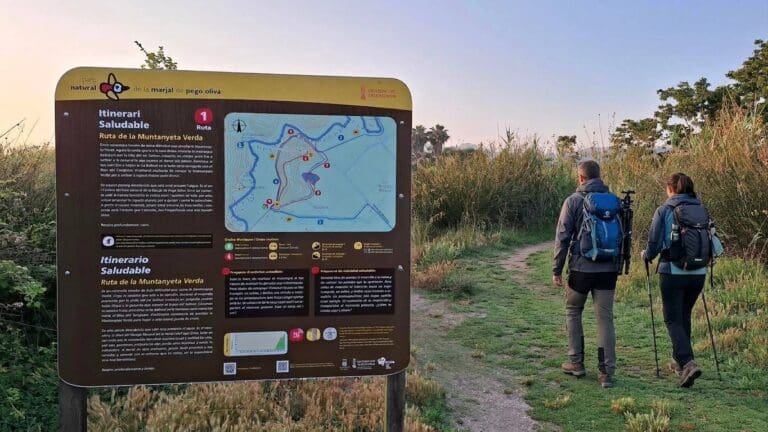
In addition, the park has the Muntanyeta Verda Viewpoint and Environmental Information Point, a privileged space to contemplate the landscape and learn about the flora and fauna of the marsh. It is currently closed temporarily, and access may also be restricted on holidays, for conservation work of sensitive species or due to fire risk. It is recommended to consult the official notice board to check the status before visiting.
Safety note: During the authorized hunting season, it is possible to find hunters in some areas of the park. Therefore, it is advisable to consult the authorized hunting calendar beforehand and always respect the established signs to guarantee a safe visit.
Flora and fauna of Marjal Pego-Oliva
The Marjal Pego-Oliva is a haven of biodiversity that is home to flora and fauna of great ecological value. In its waters, the submerged macrophyte meadows stand out, authentic support of the ecosystem, together with floating species such as the duckweed or the white water lily, as well as reed beds and riverside vegetation that offer food and shelter to numerous species.
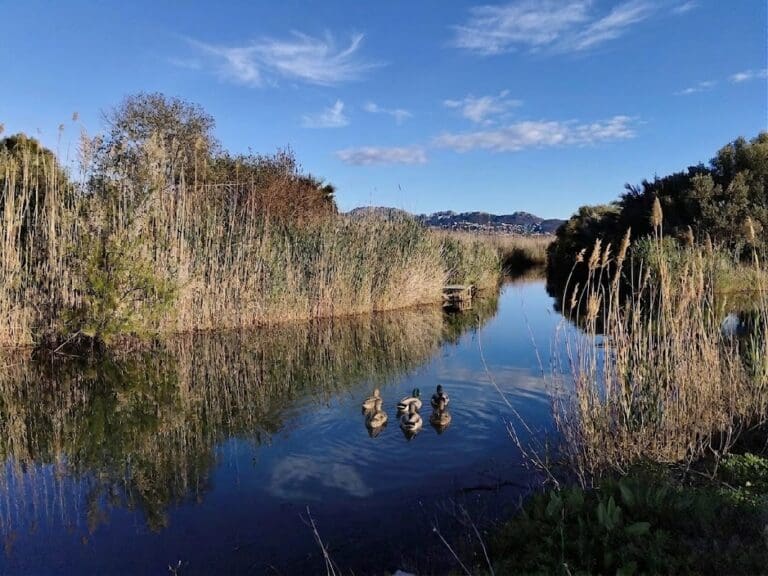
Its fauna is equally rich and varied: among the invertebrates, the endemic shrimp Dugastella valentina and freshwater mollusks stand out, while the rivers and ditches are home to fish such as the endangered samaruc. The marsh also hosts amphibians and reptiles such as the European pond turtle and the water snake, as well as a great diversity of aquatic birds, including the Purple Gallinule, the Purple Heron or the endangered Brown Teal, which find in this wetland a privileged place to rest, feed and reproduce.