Dénia is a privileged place for nature lovers. Thanks to the richness of its ecosystems, the municipality offers unique opportunities to practice ornithological tourism and enjoy whale watching in its natural environment, without the need for long journeys.
On land, natural areas such as the Montgó Natural Park, the agricultural cultivation areas around La Xara and Jesús Pobre, wetlands such as the Marjal Pego-Oliva (some hectares of the Marjal belong to the municipality of Dénia), rivers such as the Molinell or L’Alberca are home to a wide range of resident and migratory birds.
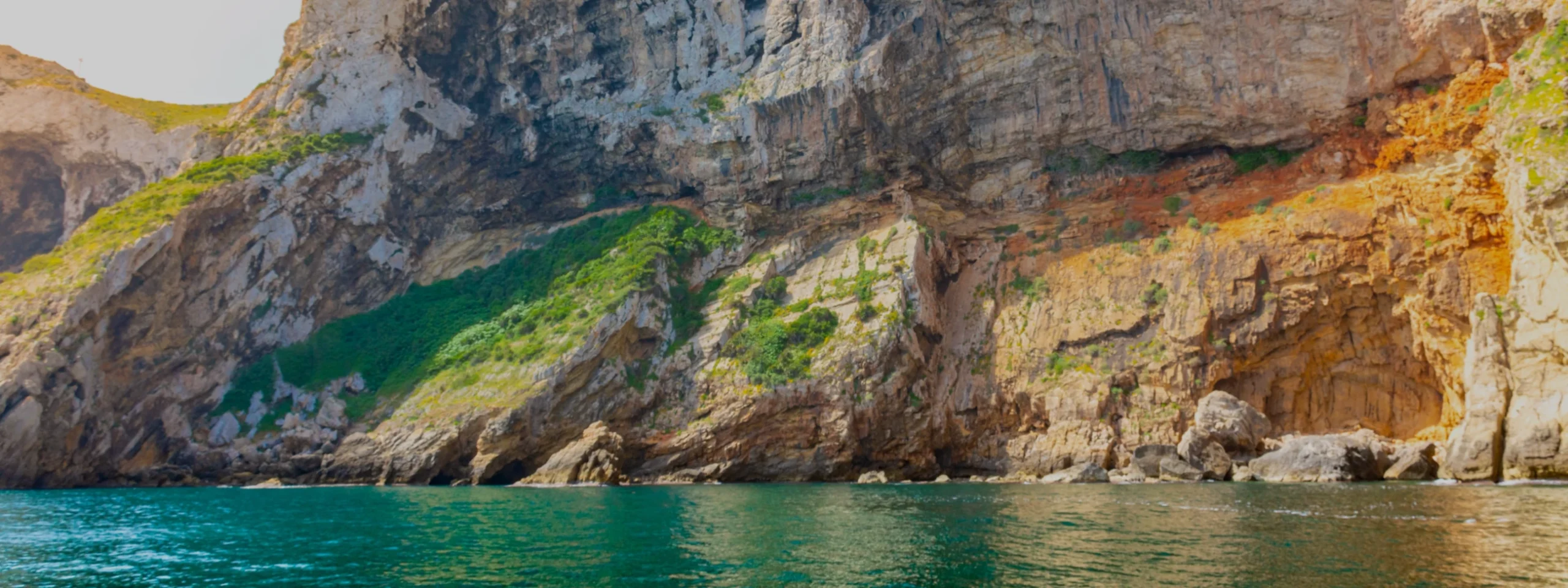
In the sea, the more than 20 km of Dénia’s coastline, including the protected areas of the Cabo de San Antonio Marine Reserves, offer the possibility of observing a great variety of birds and, likewise, observing cetaceans, since Dénia is part of the Mediterranean Cetacean Migration Corridor.
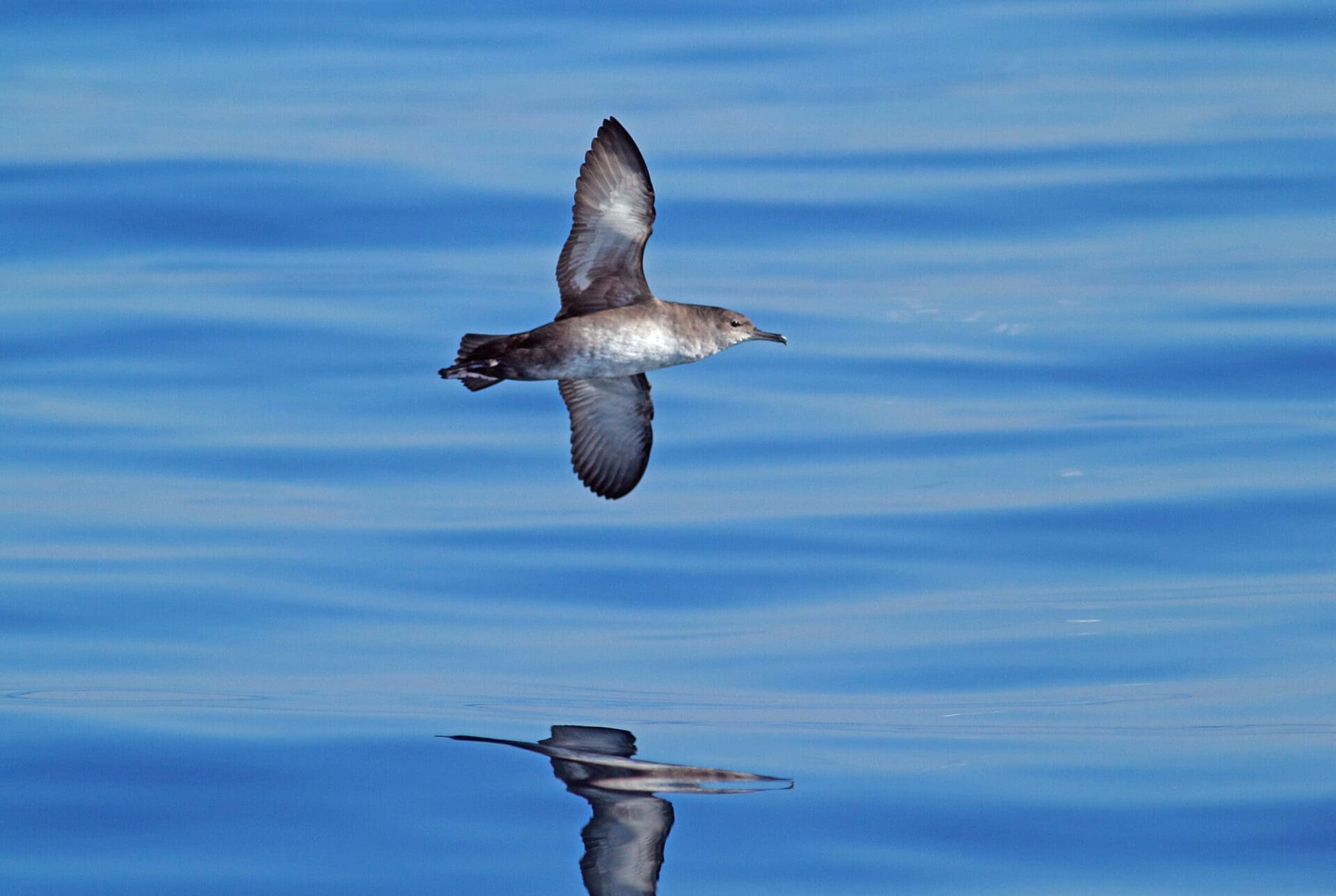
Among the most outstanding bird species are: shaggy cormorants, peregrine falcons, Cory’s and Balearic shearwaters, gannets, booted eagles, ospreys, herons, kestrels, bee-eaters, owlets, plovers and hoopoes.
As for cetaceans, dolphins, pilot whales, sperm whales and even fin whales stand out.
Information on ornithological tourism
Different natural areas of Dénia are declared ZEPA (Special Protection Area for Birds), such as:
Also on the coast of Dénia we will find species such as the kentish plover and the great plover, the Audouin’s gull, the little sandpiper, the common sandpiper or the tridactyl sandpiper.
In the Montgó Natural Park, birds of prey such as the Bonelli’s eagle, the common hawk and the eagle owl stand out. In the rocky areas we find corvids such as the crow or the jackdaw. Among the kermes oak and pine forests there are birds such as the great tit, coal tit and blue tit.
In the Marine Reserves you can see the peregrine falcon, the shag (which nests on the cliffs of Cape San Antonio), the osprey, the grey heron, the gannet, the tern, the Balearic shearwater and the Cory’s shearwater.
In the L’Almadrava SCI, seabirds such as the Balearic Shearwater and Audouin’s Gull, the Shag, the Mediterranean Shearwater, the European Storm Petrel and the Black-footed Tern can be observed.
Information on cetaceans and other marine species
Sea turtles, dolphins and whales are some of the marine species that frequent the marine reserves and other areas of the coast of Dianes.
Cetacean Passage:
The coast of Dénia is a passage area for cetaceans such as thefin whale(whale), the second largest animal in the world, which has established its passage between the months of May to September, at a distance of between 200 and 1,000 meters from the coast of Dénia. Throughout the year we can observebottlenose andstripeddolphins, very close to the coast. Occasionally, species such as thepilot whale, the Risso’s dolphin and the sperm whale can also be sighted.
Other Marine Species:
The loggerhead turtleis one of the four species of sea turtles in the Mediterranean. and this species usually frequents the waters of the marine reserves of Cabo de San Antonio. Also, this species nests on several beaches in Dénia, such as Marineta Cassiana and Les Albaranes area of Les Marines beach.
Diana turtle: The loggerhead turtle, known as Diana, is one of the females that laid three nests on Marineta Casiana beach in 2023. In 2025 she returned to lay her eggs on the same beach. In 2023 she was implanted with a microchip in order to identify her in case of return and to provide her with greater protection. This has made it possible to recognize it on its new visit to the beaches of Dénia to spawn in 2025.
Release of turtles:The Dénia City Council organizes the release of sea turtles from the beaches of Dénia for the general public and schoolchildren with the aim of disseminating the presence of these emblematic animals in the waters of Dénia and how we can participate in their conservation.
Important:Do not interfere in the nesting process and notify 112 in case of any sighting, in order to activate the protection protocol and guarantee both the viability of the eggs and the welfare of the animal.
Volunteer campaigns:Annually, the City Council of Dénia, together with the NGO Eucrante, organizes volunteer campaigns for the observation of cetaceans and the detection of turtle nests.
Bird and cetacean observatory
At the end of the Les Rotes area is the bird and cetacean observatory, where there is an information panel with the main species that can be observed.
If from the observatory, walking along the beach or sailing, you see a dolphin, turtle, whale, etc. you can call or send an email to viuiconviu@ayto-denia.es. You will contribute to the study and conservation of cetaceans in this area. In the case of a specimen in trouble, call 112 and the rescue protocol will be implemented.
How to observe without disturbing
From the boat, in the case of dolphins, these are the ones that approach on many occasions to look around and take advantage of the currents generated by the boat. When this happens: Turn off the boat’s sonar and do not change speed or course.
In the case that the animals DO NOT APPROACH US, we must be as respectful as possible and not get too close, if we get close it must be: