Dénia is a city marked by the passage of great civilizations that left their mark on its landscape, culture and identity. From the Iberian settlements, through the Roman Dianium and the Muslim capital of the taifa of Daniya, to becoming a marquisate under the crown of Aragon, Dénia has always been a strategic enclave of the Mediterranean.
Today, its castle, museums, historic districts and archaeological sites offer a fascinating journey through the various stages of its evolution, which coexist with an active cultural life open to visitors.
Iberian and Greek period
The first known settlers of Dénia were the Iberians, settled in areas such as l’Alt de Benimaquía or Penya de l’Àguila, on the Montgó mountain.
Roman Dénia - Dianium
With the arrival of Rome, Dénia became the city of Dianium, a key port of the Empire.
It developed as an agricultural and commercial center, with wine, oil and pottery production, public baths and an urban system connected to other coastal areas.
Byzantine and Visigothic Dénia
From 552 to 624, Dénia was part of the Byzantine province of Spania, which meant for Dianium a continuity in the Roman world.
The Visigoths settled in this area in the 7th century. VII. From the Visigothic period, the establishment of an episcopal see in Dénia, dependent on the bishopric of Toledo, stands out.
Muslim Dénia - Daniya
In the year 713 Dénia was conquered by the Muslims. It was an important commercial port thanks to its strategic location. Between the 11th and 12th centuries it lived its period of greatest splendor as the capital of an independent Taifa kingdom, with its own currency, naval fleet and great cultural prestige. The layout of Dénia Castle, together with the remains of walls, towers and arches, is testimony to this period.
Reconquest and Marquisate
In 1244, Dénia was conquered by James I and integrated into the Kingdom of Valencia.
During the following centuries it became a county and then a marquisate, obtaining the title of city in 1612. The district ofLes Roques, at the foot of the castle, preserves the medieval structure of that time.
Historical figures and facts to be highlighted:
Nineteenth and twentieth centuries: expansion and modernization
In the 19th century, Dénia experienced great growth thanks to the raisin trade, the development of the port and the arrival of the railroad.
It was a city open to the world, economically active and connected to Europe by land and sea.
From the port of Dénia raisins were exported to England, France, Canada and the United States.Warehouses were built and a new bourgeoisie appeared.
The Historic Center preserves houses of the period, including the one that houses the Ethnological Museum, which reflects this historical moment.
At the beginning of the 20th century, the decline of raisin production led to the development of other activities such as the toy industry and citrus production.
It was a city open to the world, economically active and connected to connected by land and sea.
Dénia today: a city that preserves its history
Today, Dénia is a living city that has been able to preserve its heritage. The Castle of Déniais the most emblematic historical-heritage complex that houses theInterpretation Center “Dénia, Ciutat Vigia”, where the local history is reviewed in five stages.
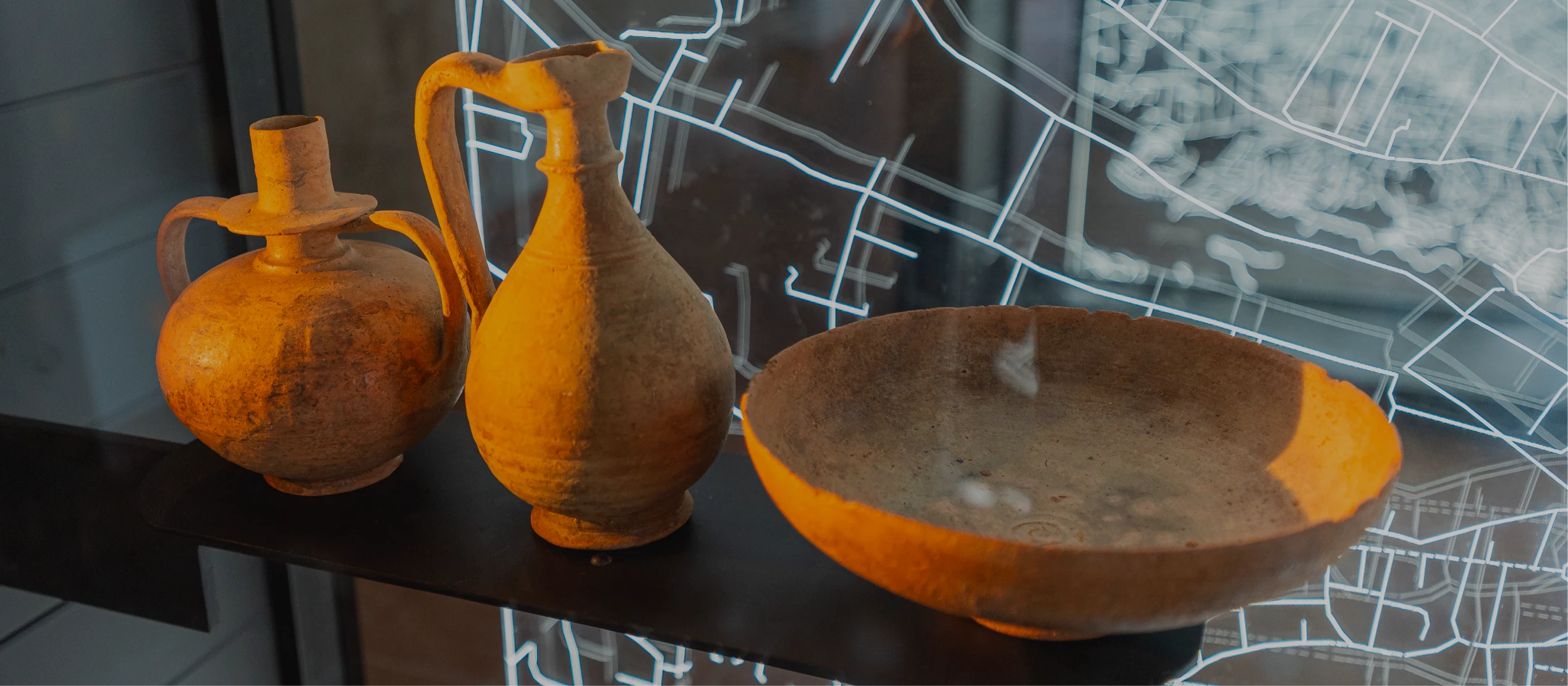
Its four museums cover the history of Dénia, through its archaeological remains, its ethnological heritage focused on the splendor of the raisin trade in the 19th century, the development of the toy industry at the beginning of the 20th century and the findings and history linked to the sea.XIX, the development of the toy industry in the early twentieth century and the findings and history linked to the sea.
Old neighborhoods, routes and cultural events complete the journey through history that allow visitors to connect with a past that is still very present.