



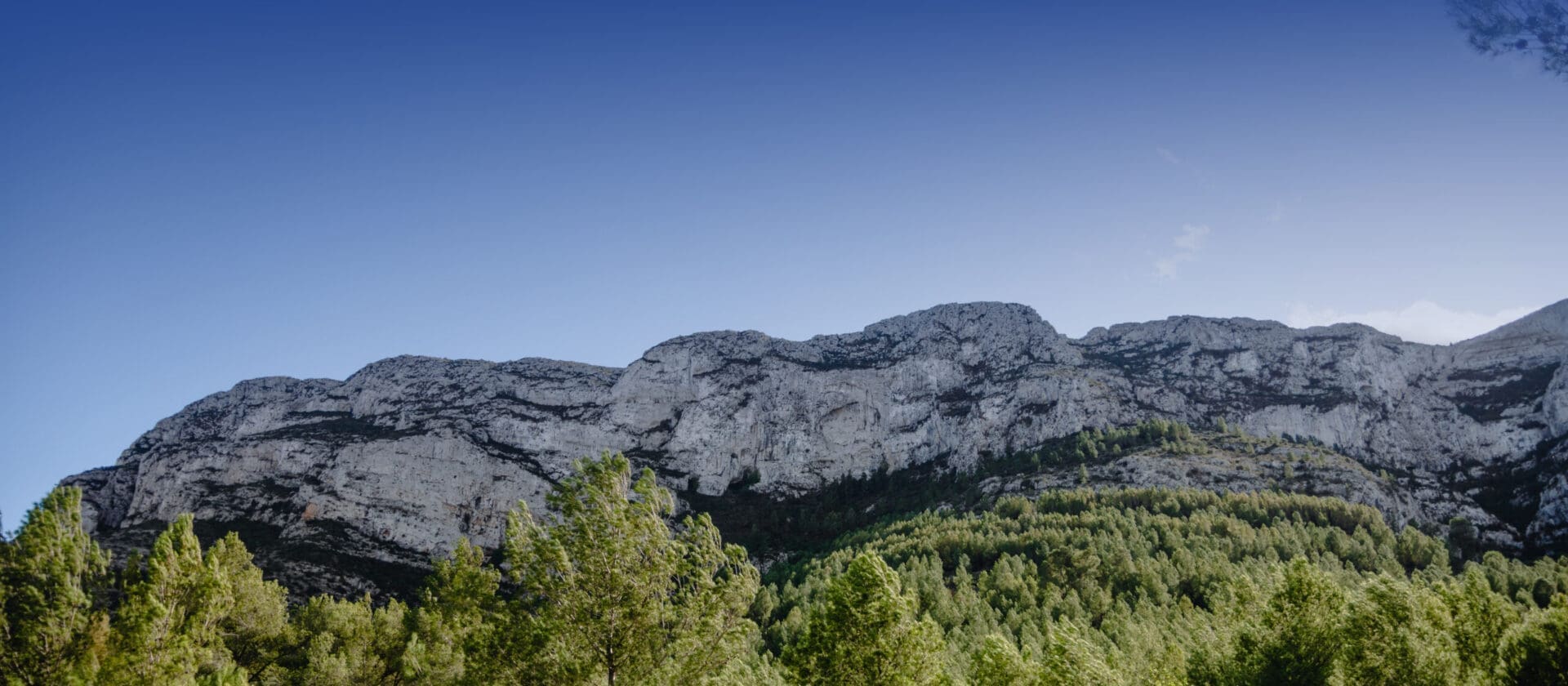
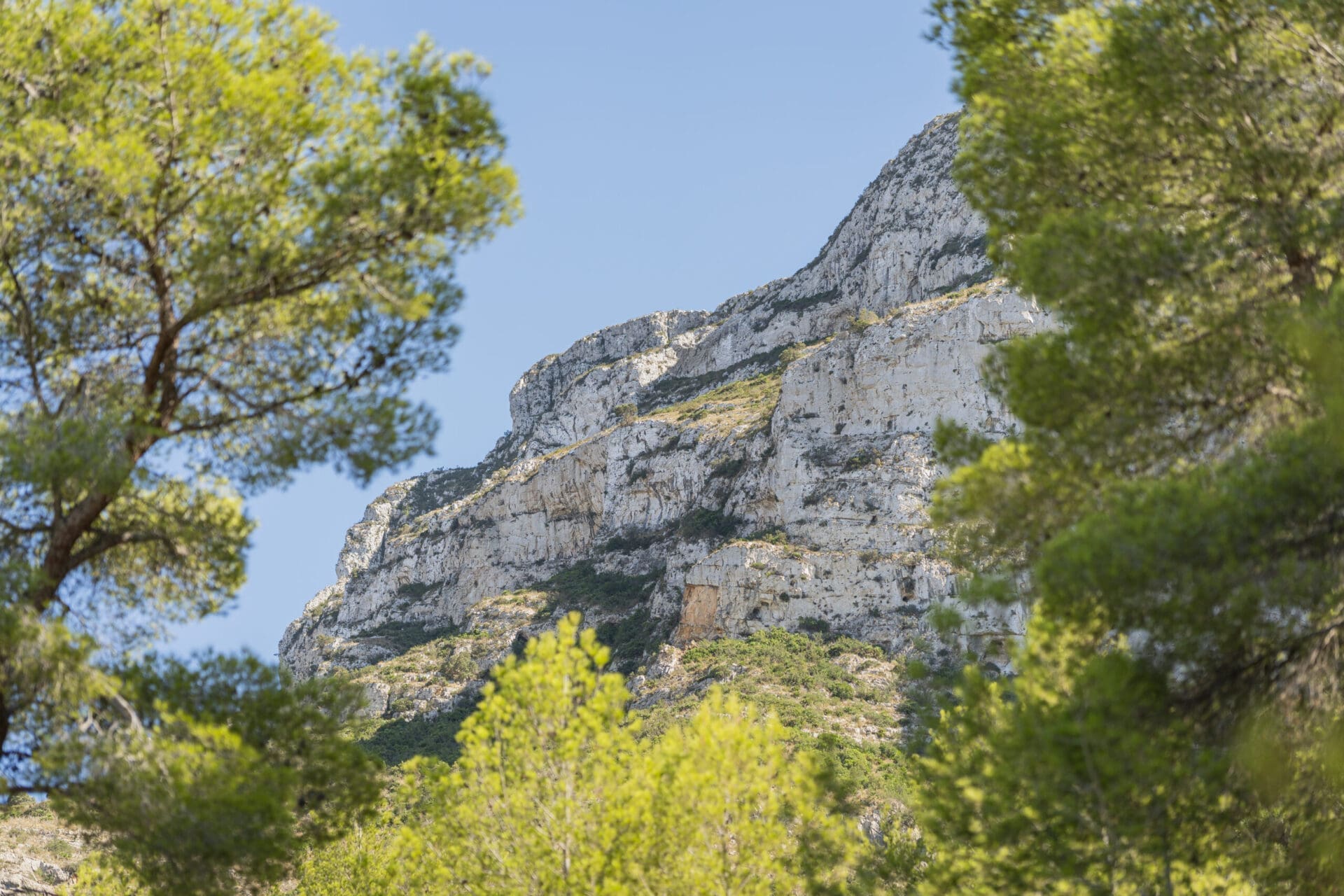
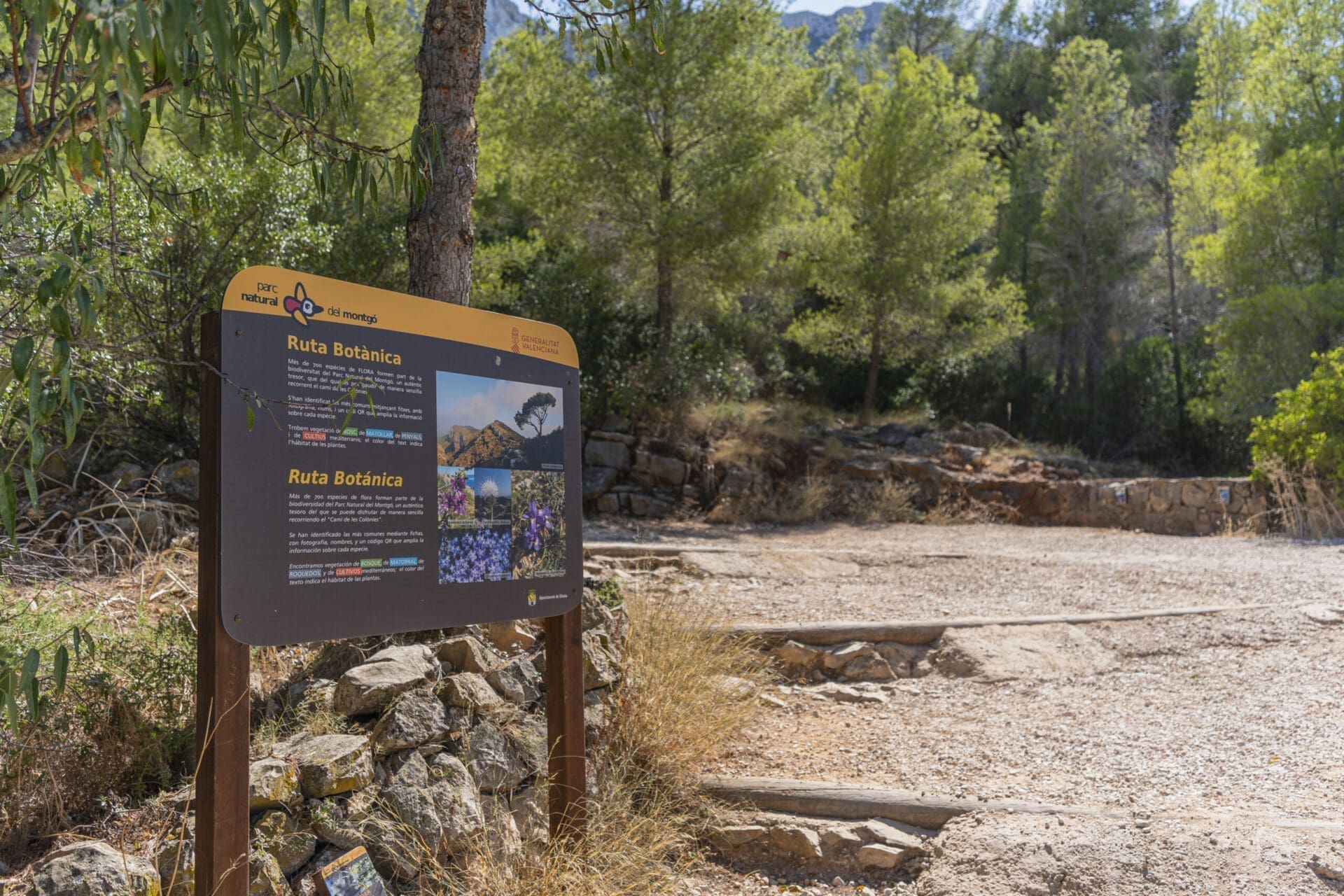
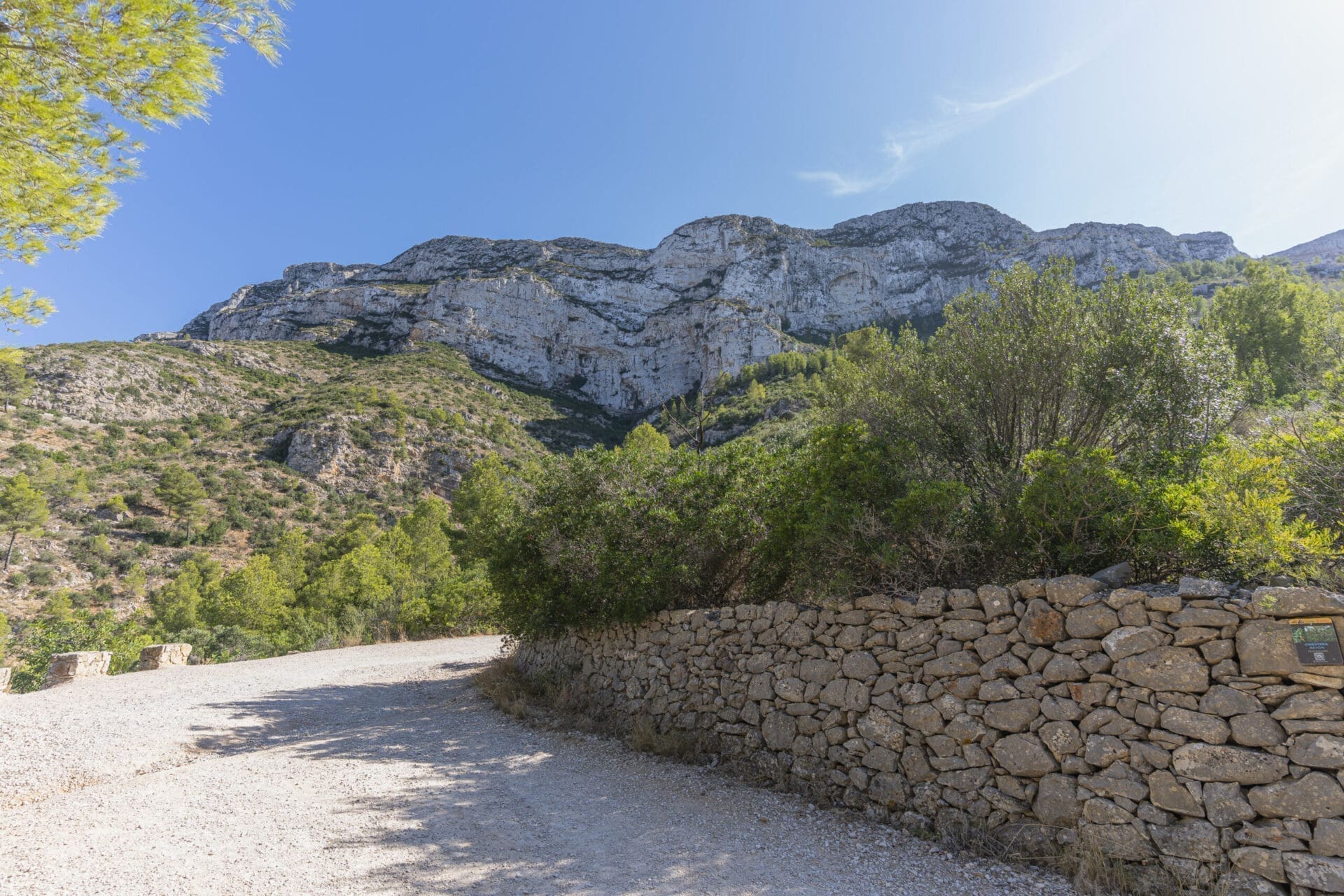
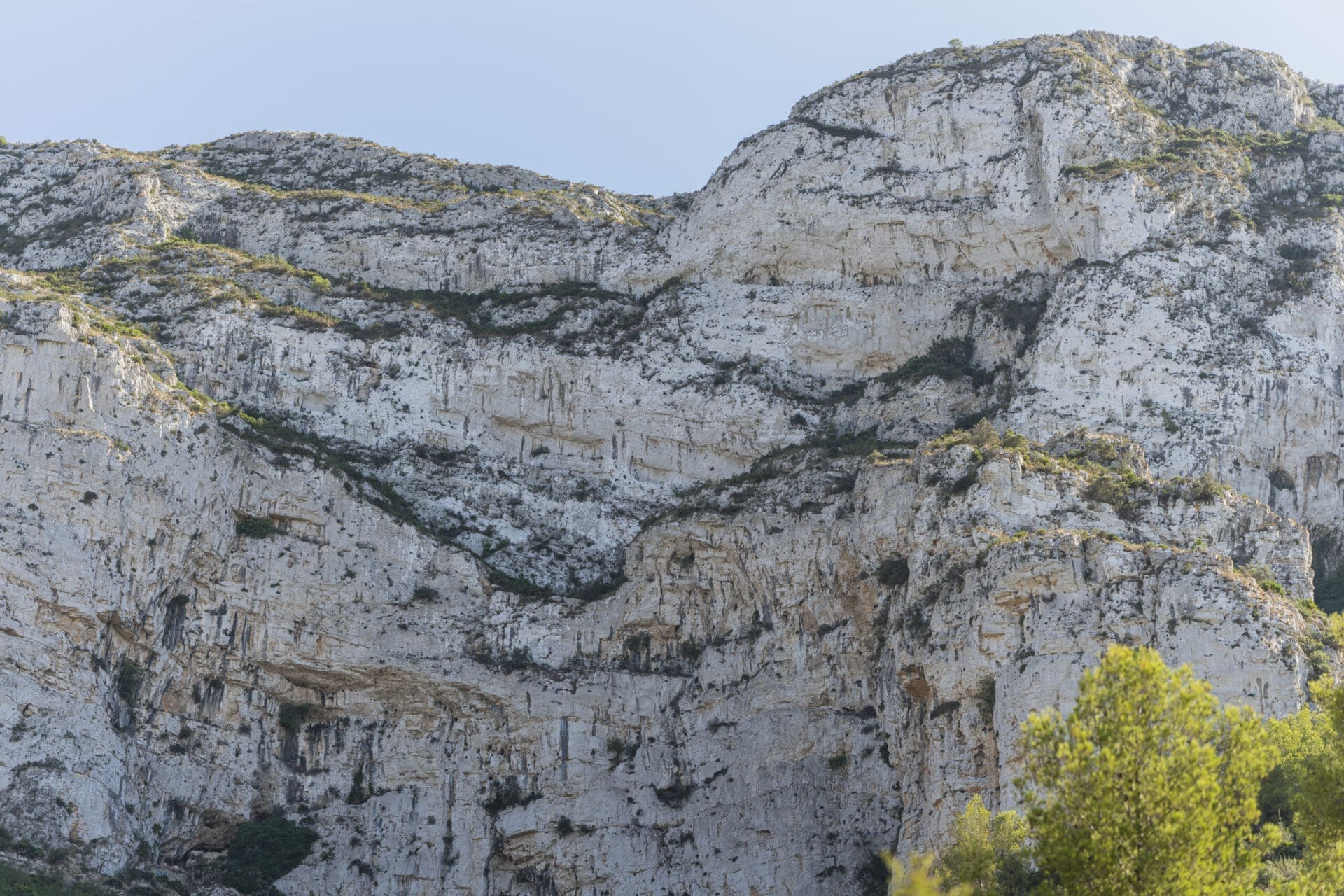
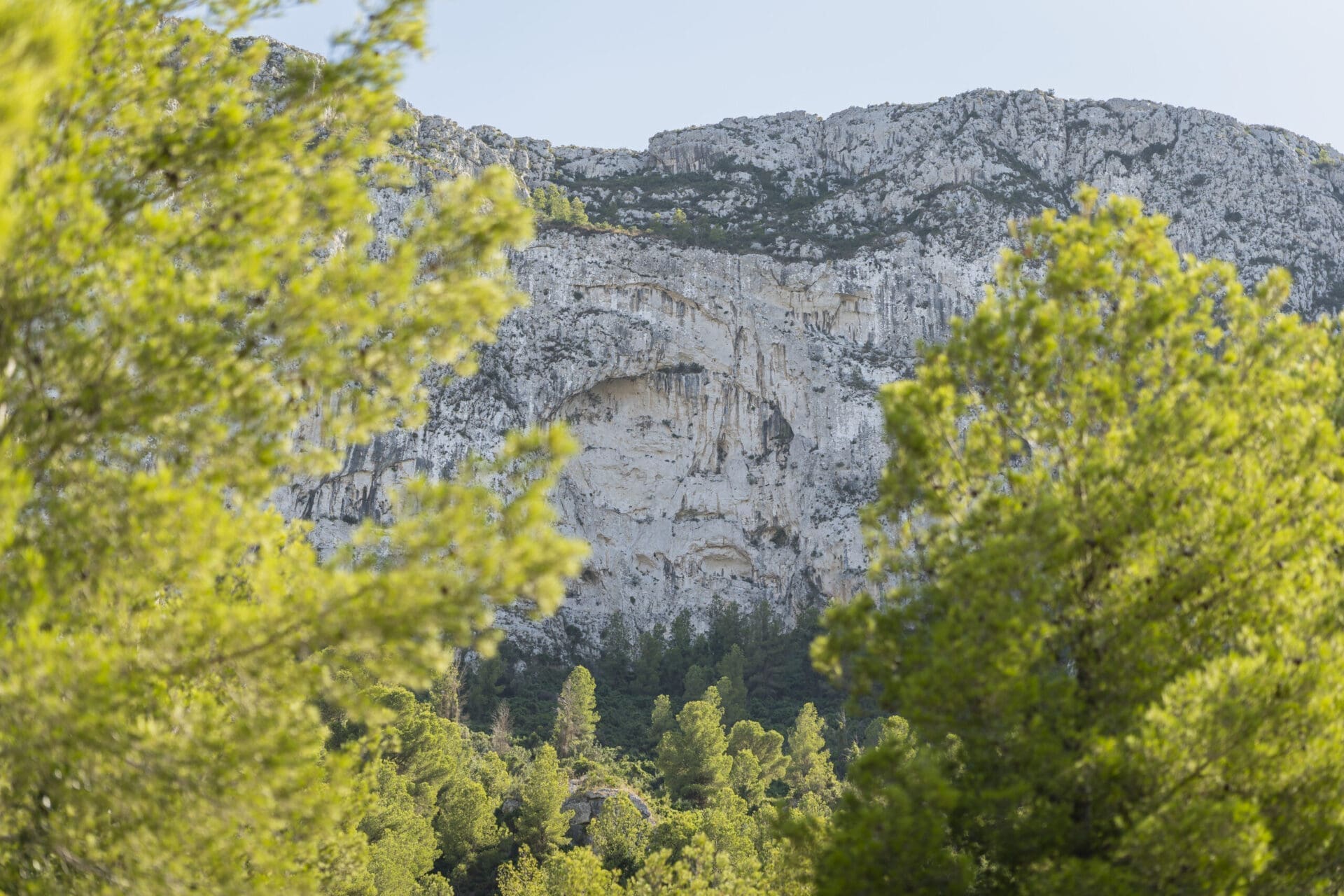
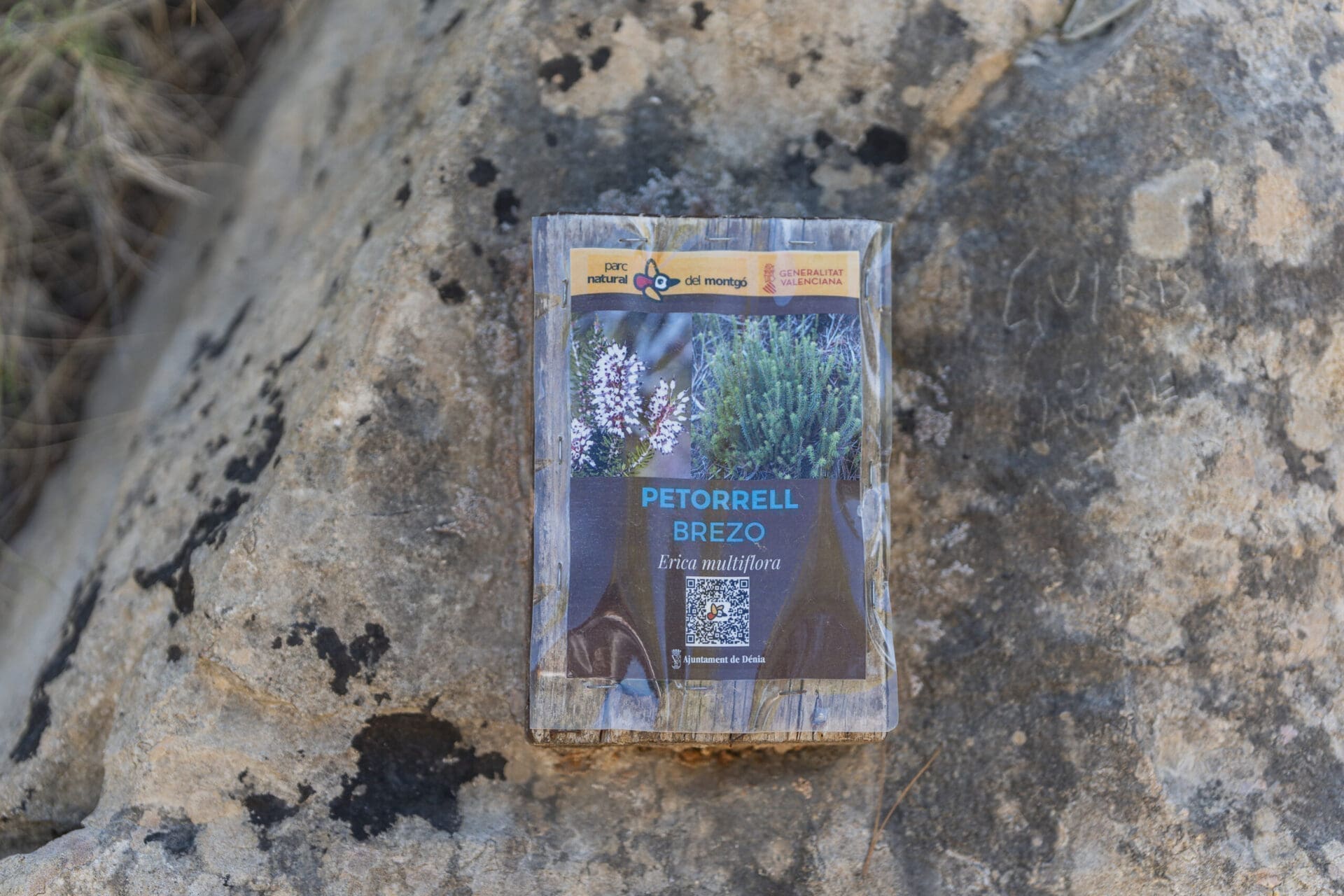
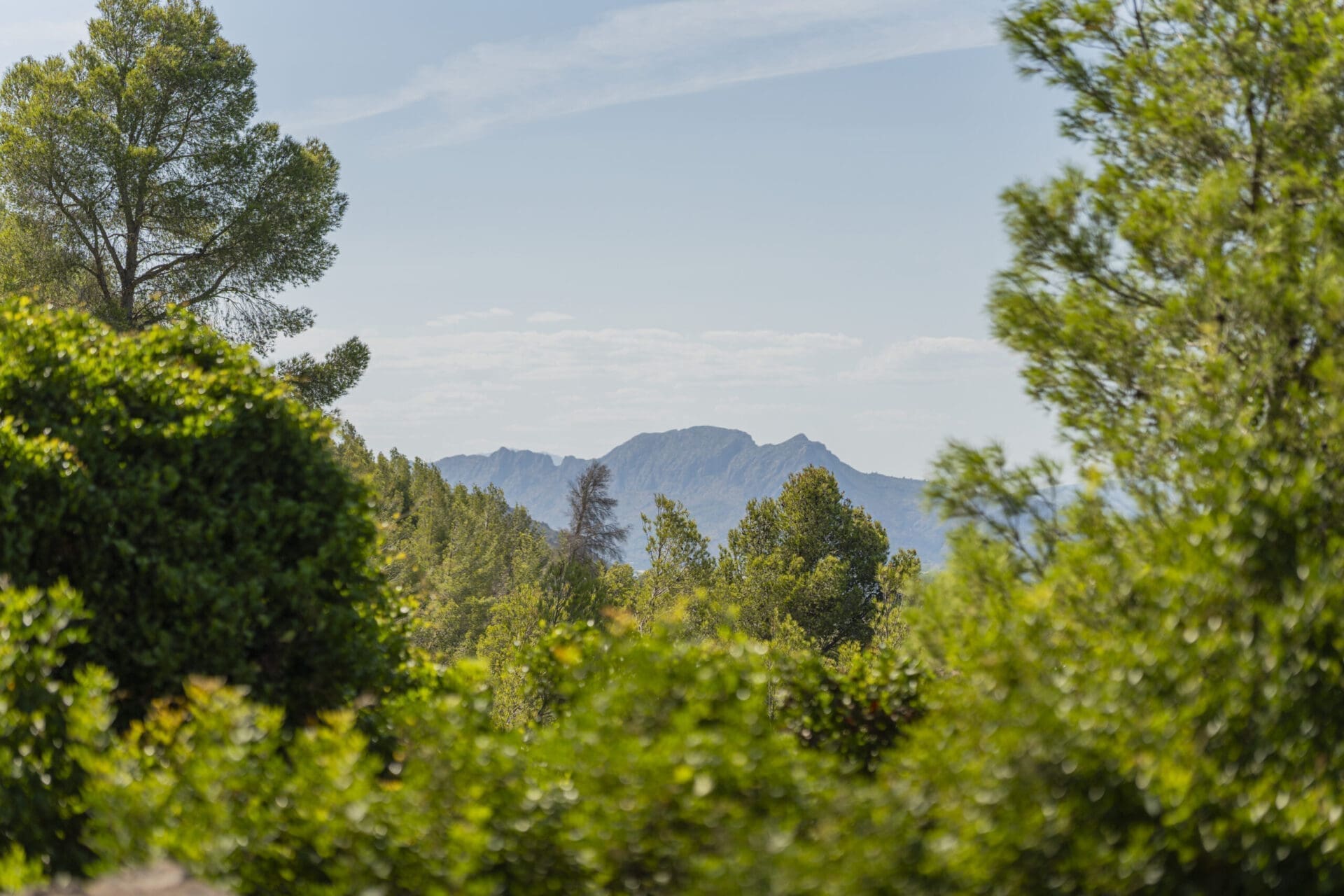
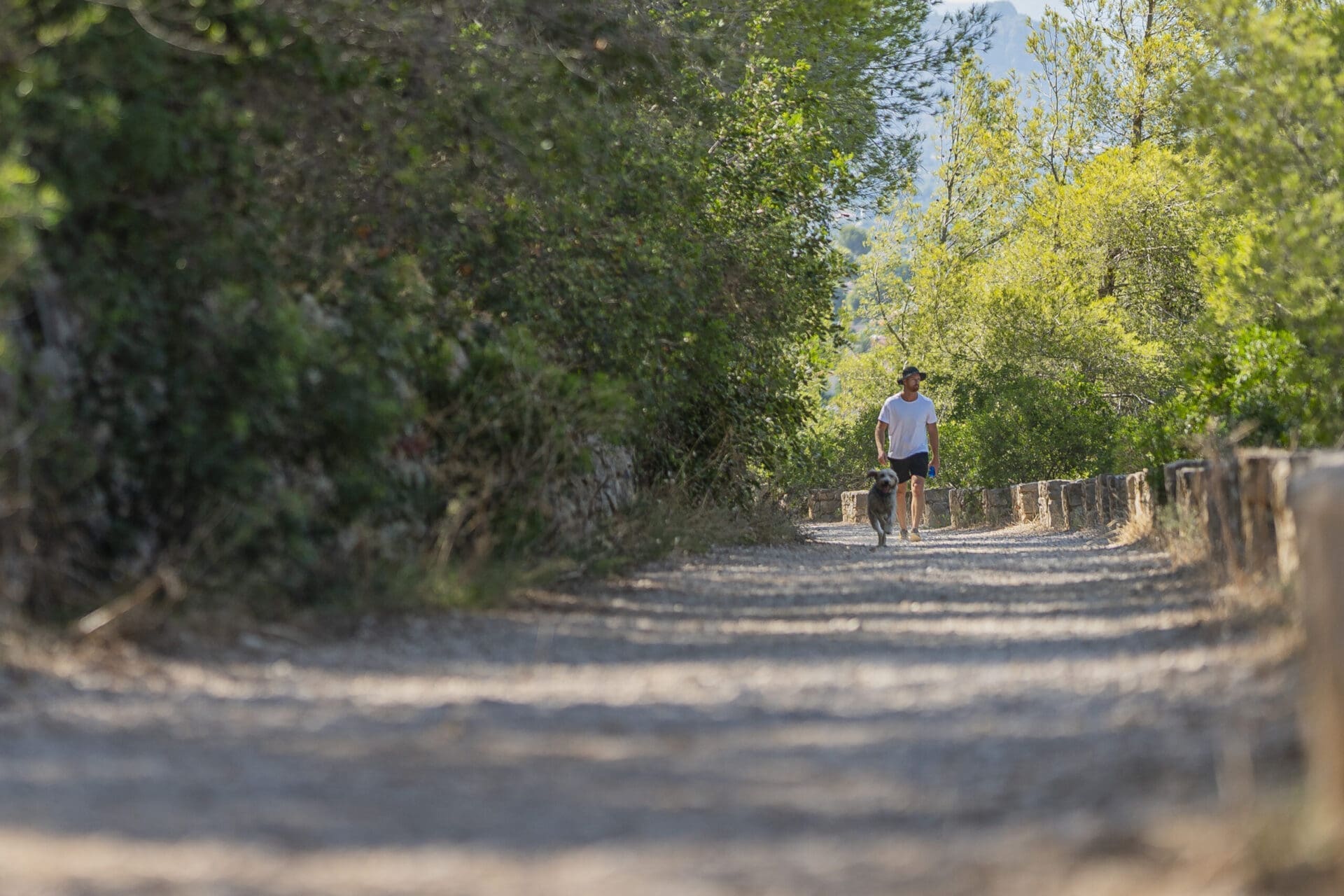
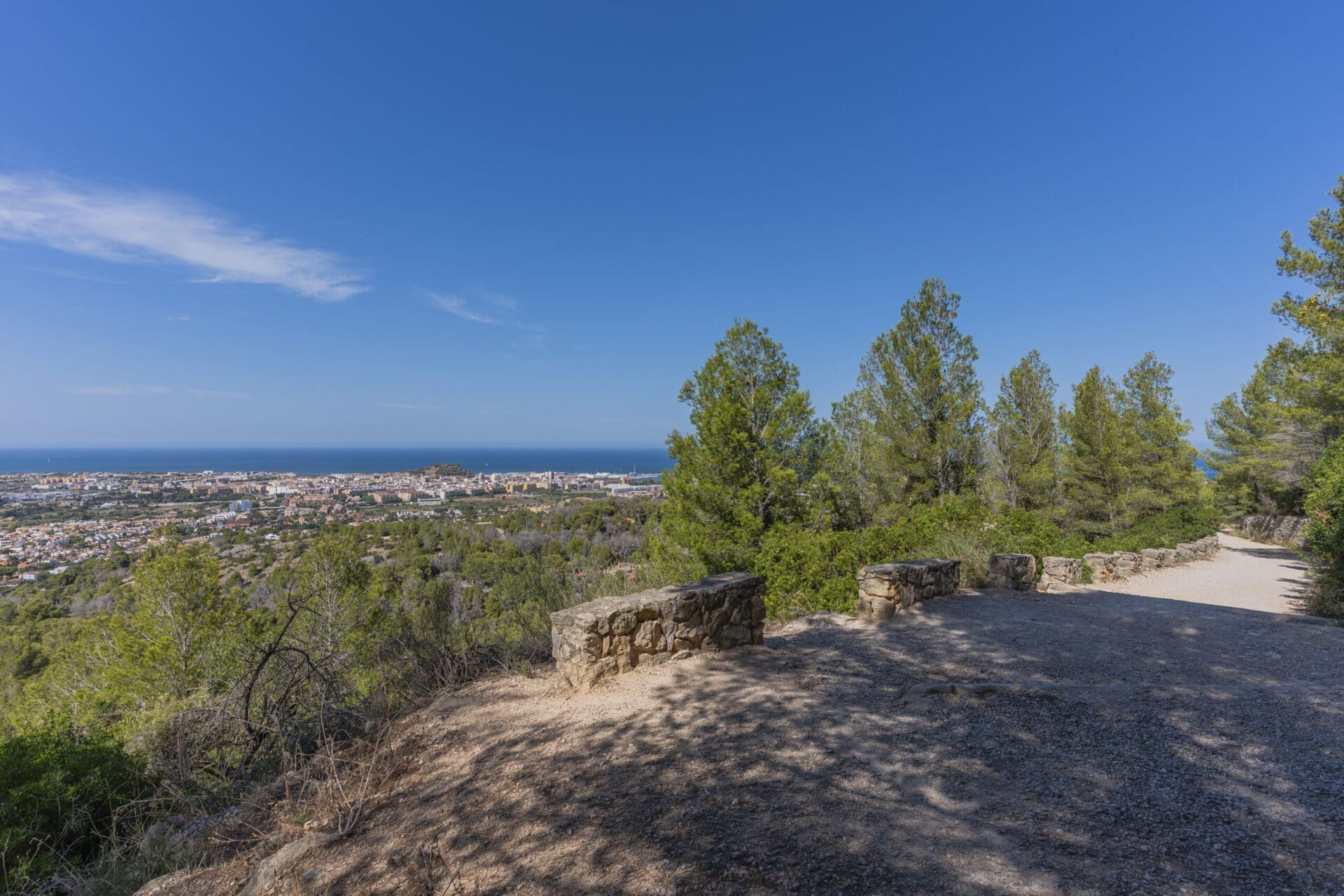
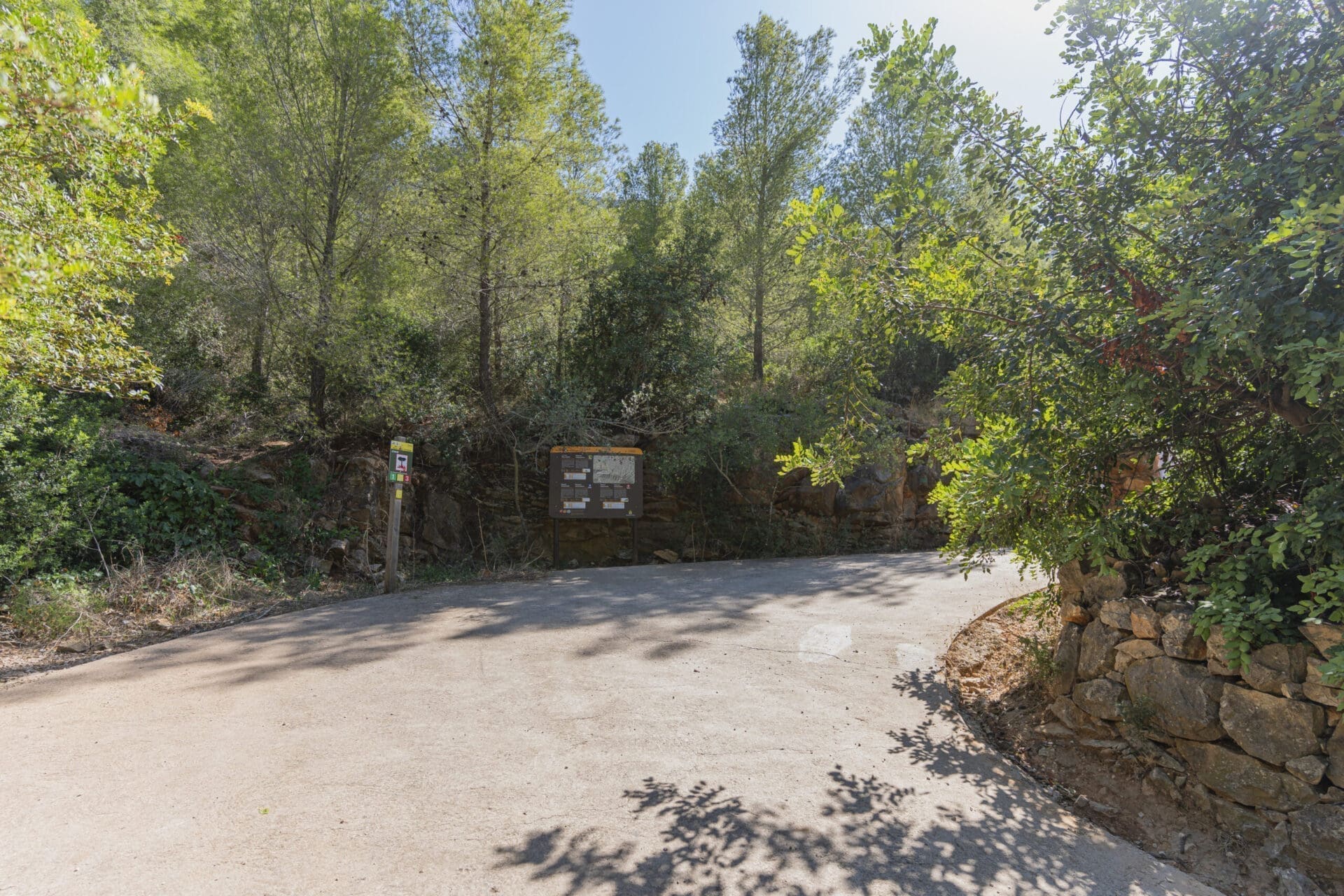
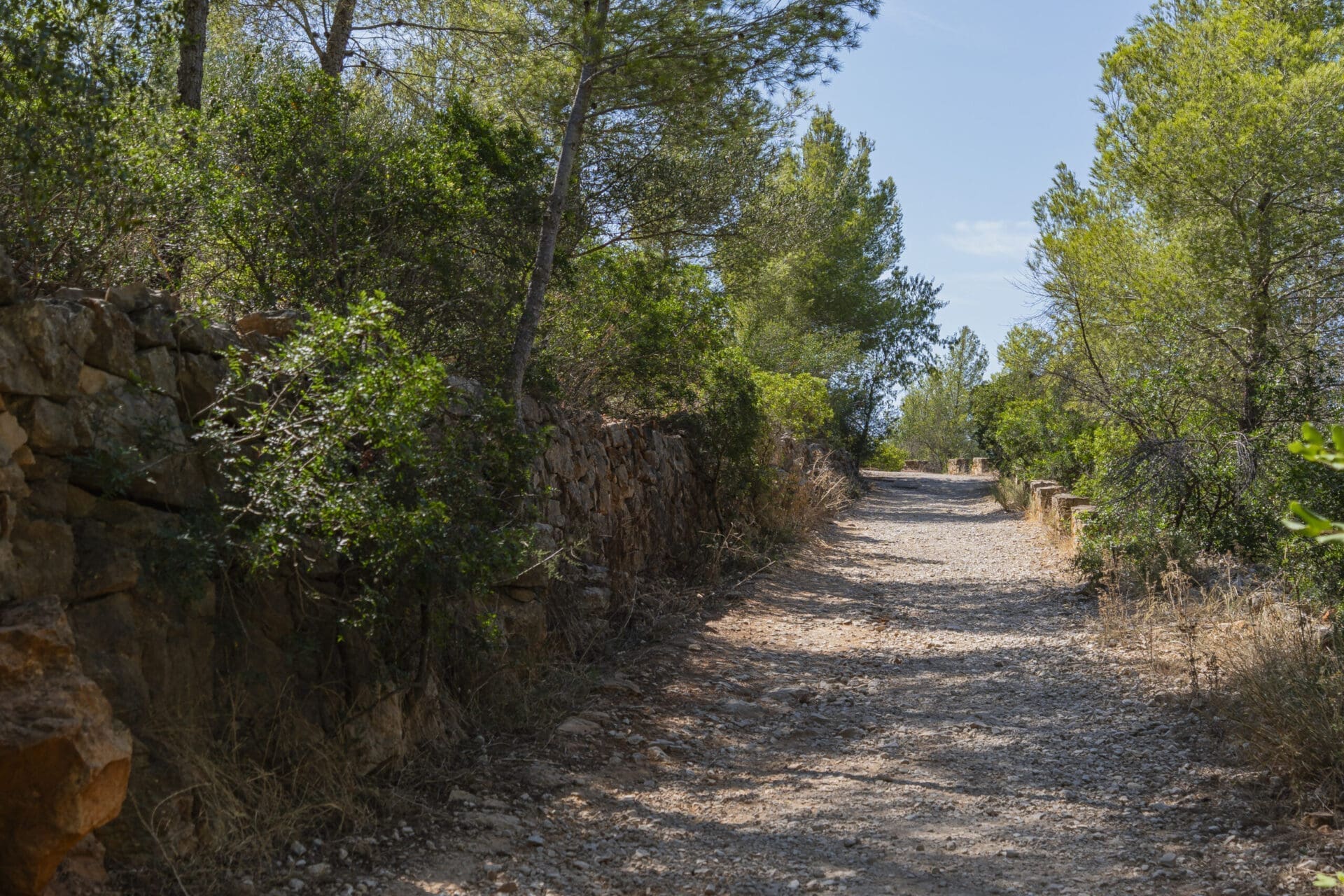
The Montgó Natural Park is one of the great scenic and ecological treasures of Dénia. This imposing mountain, which rises up to 753 meters high next to the sea, acts as a natural viewpoint to observe the Marina Alta and the coast, offering spectacular panoramic views and an exceptional biodiversity. Declared a natural park in 1987, the Montgó is home to more than 650 species of flora and a rich fauna, and is the habitat of protected species that find refuge here.
It has also been declared a Special Protection Area for Birds (SPA), as well as a Special Area of Conservation (SAC) and Site of Community Interest (SCI).
Its marked trails allow visitors to enter an environment of great environmental and cultural value, where archaeological remains, ancient terraced crops, viewpoints overlooking the Mediterranean and places of great beauty coexist. From gentle routes for the whole family to more demanding ascents for experienced hikers, the Montgó invites you to discover, breathe and reconnect with nature. A protected area to be enjoyed responsibly, at any time of the year.
The Montgó Natural Park is an environment of great beauty, but also of natural conditions that require caution. To enjoy a safe visit and avoid risky situations, it is essential to follow a series of basic recommendations, especially during the busiest or hottest periods.
In case of emergency, call 112 and try to give the location as precisely as possible. Remember that the best way to enjoy the Montgó is to do it with respect, responsibility and common sense. Nature will thank you, and so will you.
The use of bicycles in the Montgó Natural Park is a healthy and sustainable way to enjoy the environment, as long as it is done in a responsible and respectful way with the natural and cultural values of the protected area.
Currently, the park’s regulations restrict the use of bicycles to authorized trails and roads, and prohibit riding on narrow trails, areas of high ecological value, or areas especially sensitive to erosion. The objective is to minimize the impact on flora, fauna, and the terrain itself, and to guarantee the safety of all users, since many sections are shared with hikers.
Some of the tracks suitable for bicycles are the wider sections of the Camí de la Colònia, the road that connects with Jesús Pobre or certain areas around the Parc Forestal de Les Planes. However, the ascent to the top of the Montgó and the technical mountain routes are not suitable or recommended for bicycles, neither for safety nor for conservation.
For a responsible use of bicycles in the Montgó, take into account the following recommendations:
Located in the “Bosc de Diana” Park, the Interpretation Center of the Natural Park is the ideal starting point to learn about the natural, cultural and historical richness of this protected area before entering its trails. It is an exhibition and educational space managed by the park’s technical staff, where visitors can orient themselves, get information and learn to enjoy the environment in a responsible way.