Idioma

Castle and Historic Center

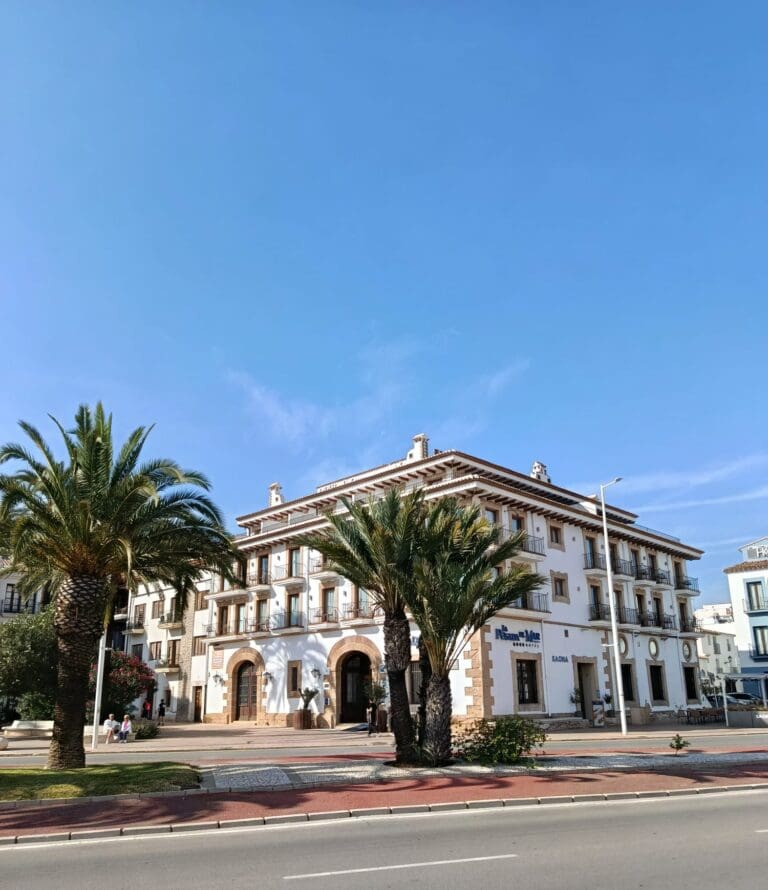
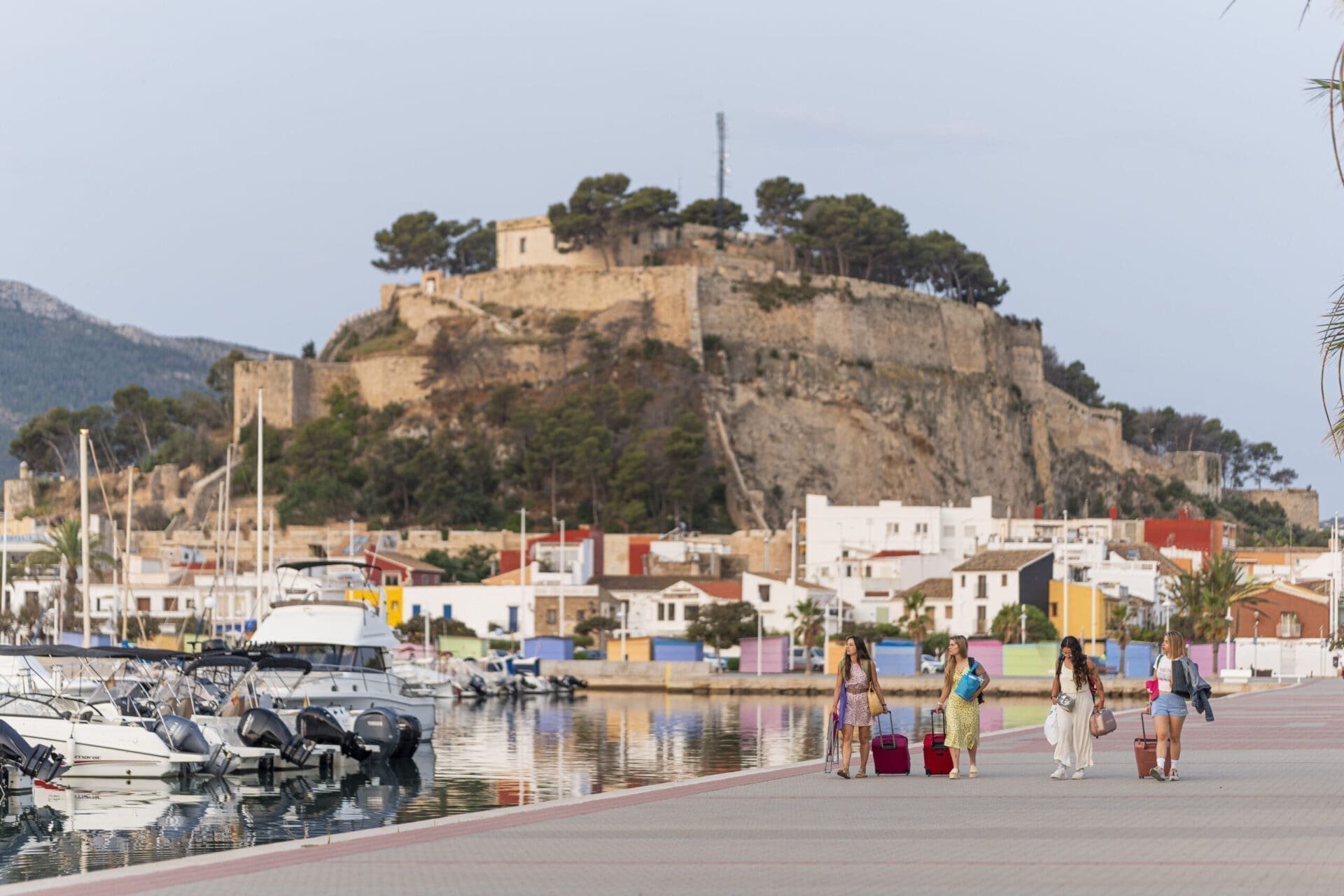
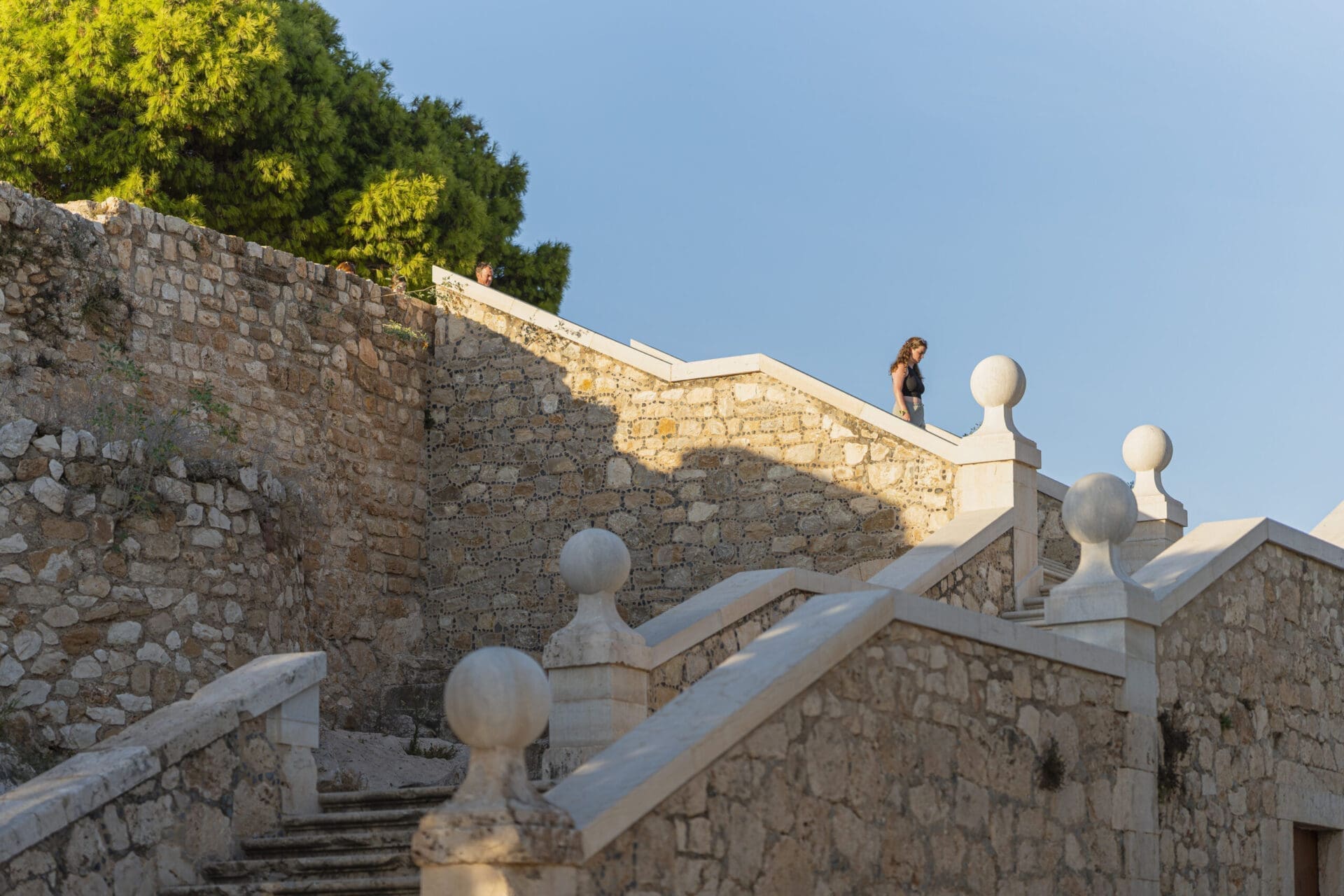
This itinerary allows you to discover the historical essence of Dénia through a walking tour that links its traditional urban core with the castle, symbol of the city. Strolling through its streets is to come into contact with the urban evolution of a Mediterranean city, marked by trade, defense and the daily life of its inhabitants. The path runs through squares, noble streets, ancient portals and culminates at the castle, where the views and archaeological heritage explain centuries of history.


Points of Interest

  • Starting points: Tourist Office at Plaça del Consell or at Plaça de la Constitució.

  • Duration: estimated 1 h 30 min – 2 h

  • Difficulty: Low, with moderate slope going up to the castle.

  • Total distance: Approximately 2.5 km

  • Accessibility: Partial. Accessibility in the town hall, archaeological museum and in the castle is allowed the ascent in vehicle for people with reduced mobility with previous authorization. Accessible squares and streets. The Interpretation Center “Dénia Ciutat Vigía” located inside the castle and the ethnological museum are not accessible.

What to see in the itinerary

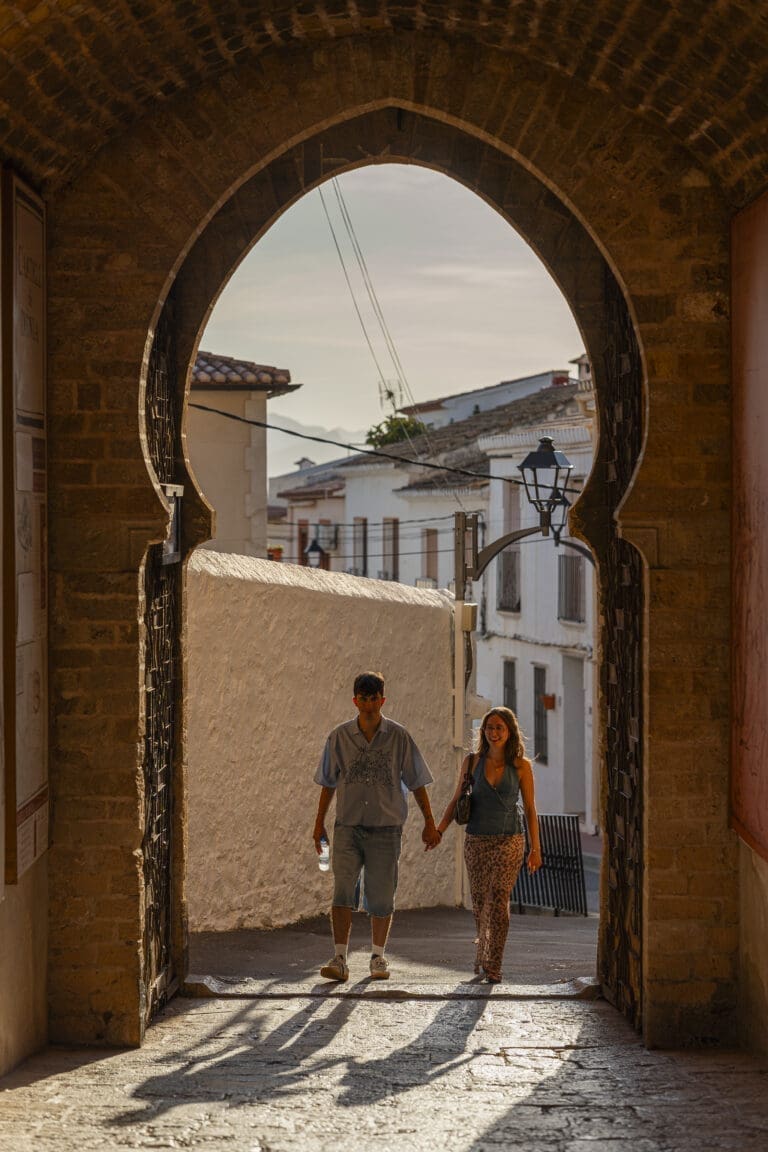
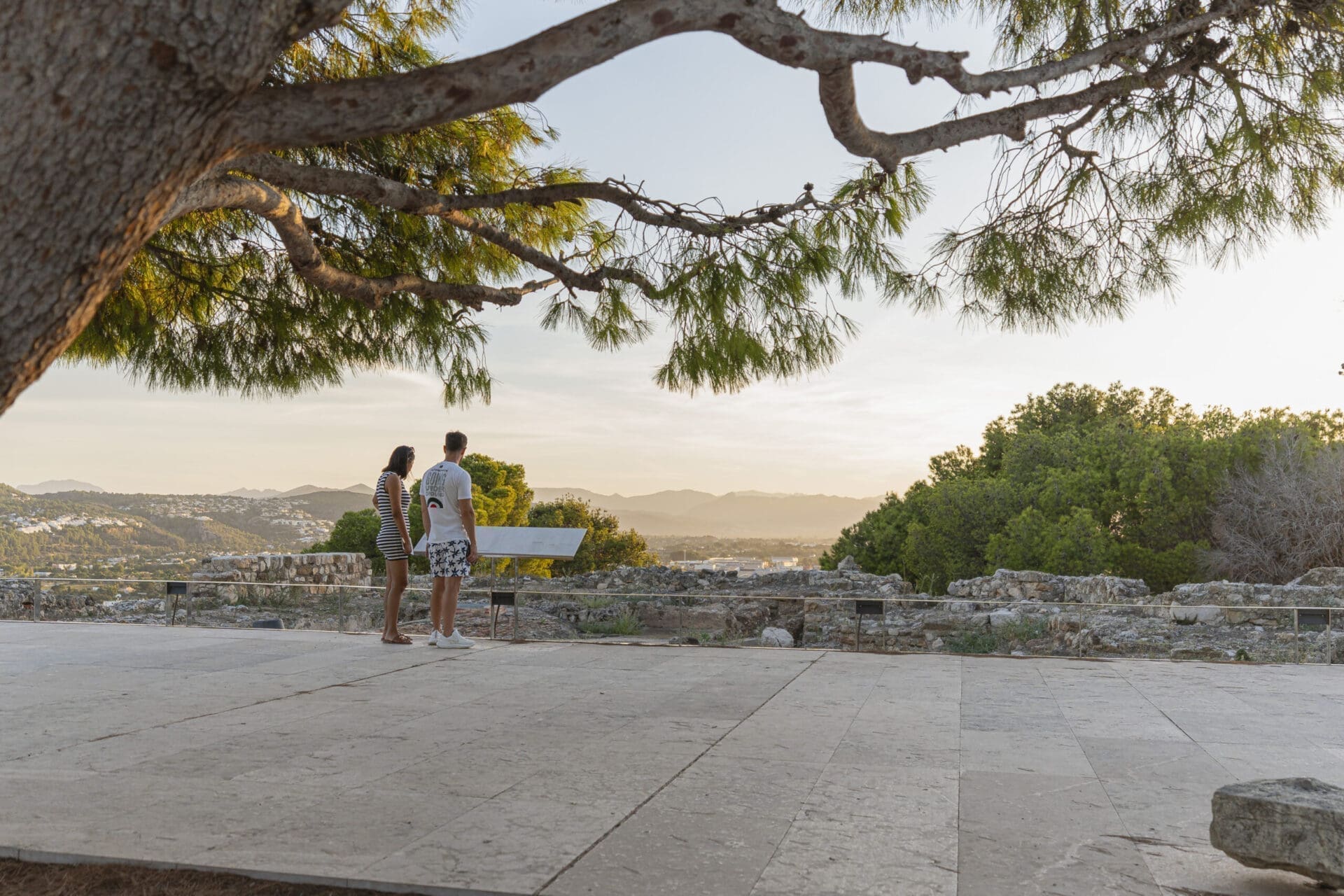
The castle, its walls, towers and defensive gates from the Muslim and medieval periods.

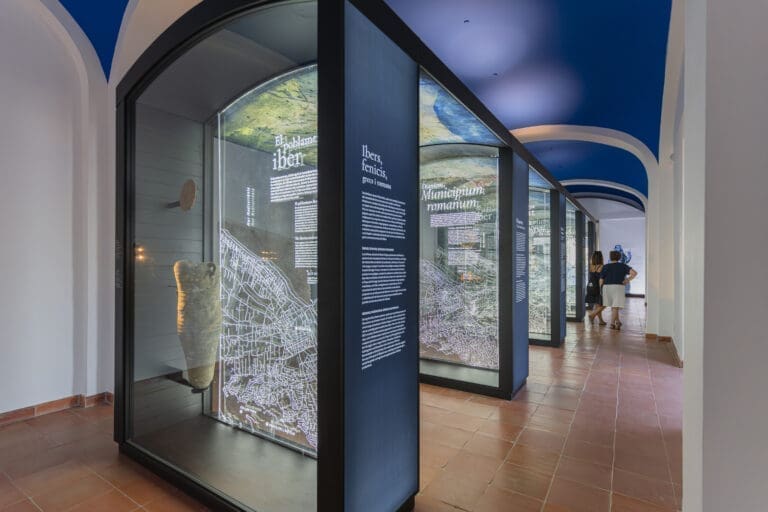
  • Museum exhibition in the Interpretation Center “Ciutat Vigia”, located at the top of the castle presents Dénia through different eras.
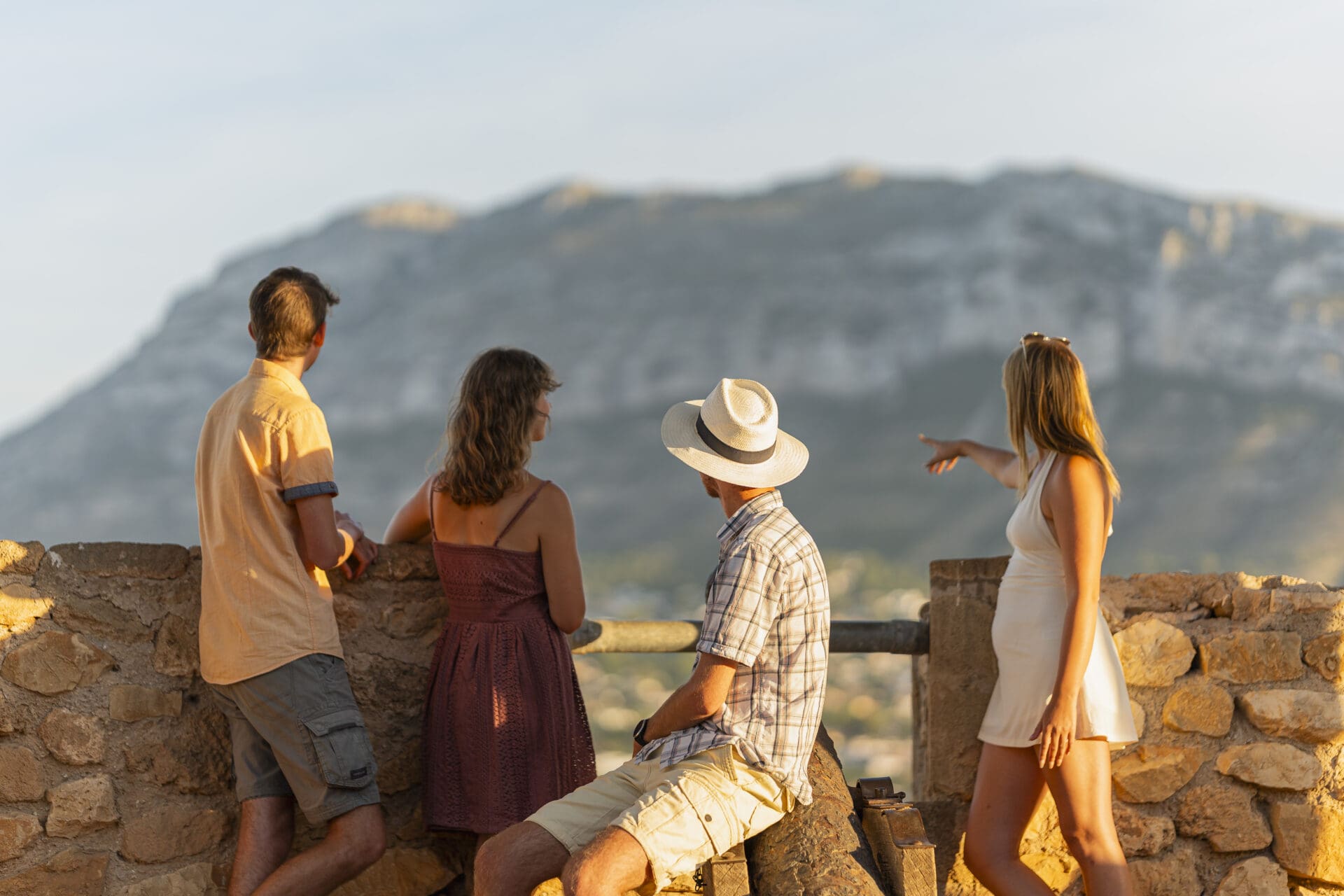
  • Viewpoints with panoramic views over the port, the Montgó mountain and the old quarters.

The Roques quarter, a picturesque area within the city walls, was part of the Medina, the Arab city before the Christian conquest in the 13th century.

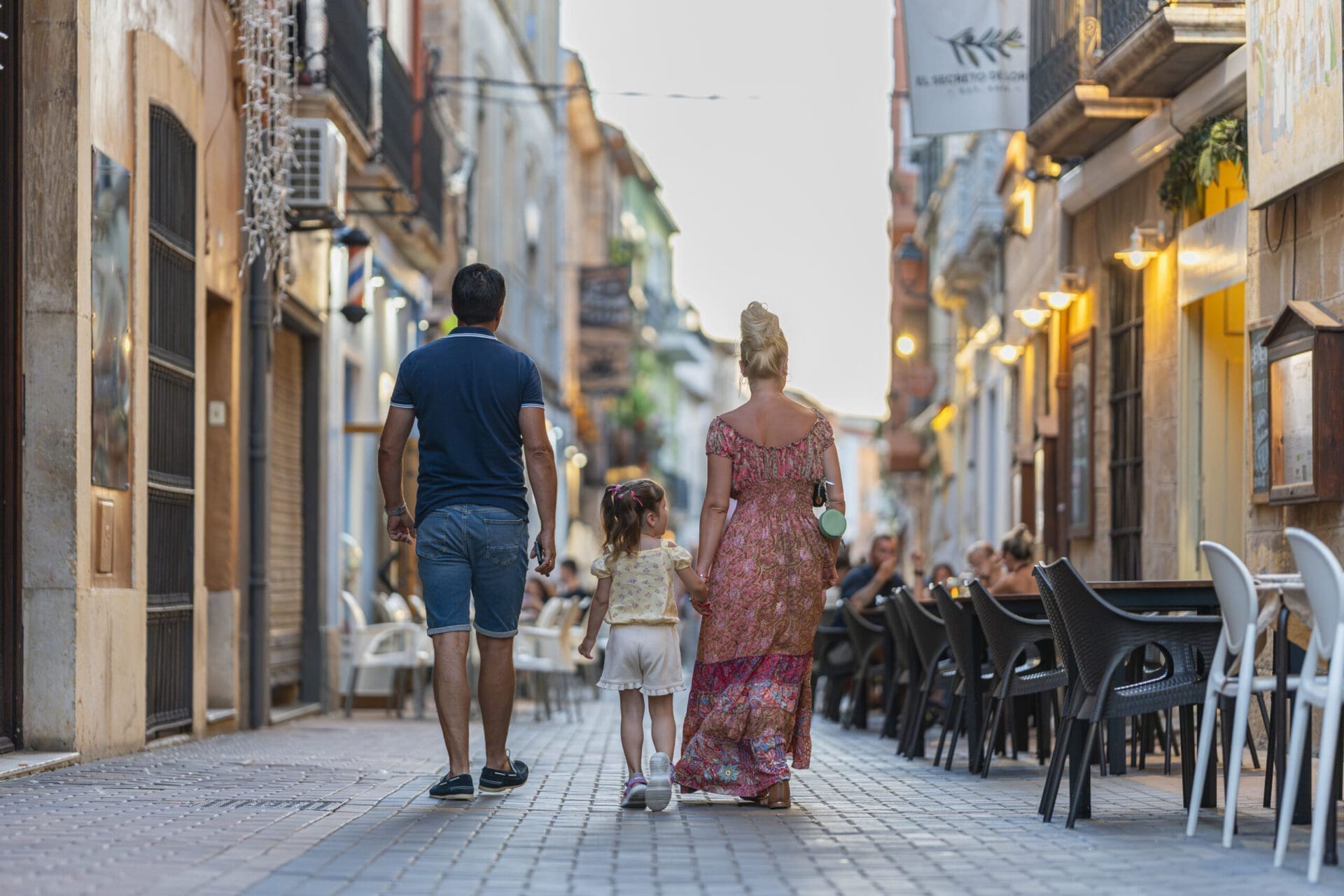
  • Narrow and picturesque streets, with low houses that preserve the popular and traditional essence.

Streets with history linked to the raisin trade and the bourgeoisie of the 19th century that preserve buildings of the time.

  • Cavallers, Major, Sant Josep and Loreto streets.
  • The Ethnological Museum, located in Cavallers Street, is an essential place to learn about the importance of this historical period in the development of the city. The building preserves its original architecture, also exhibits furniture and clothing of the time.
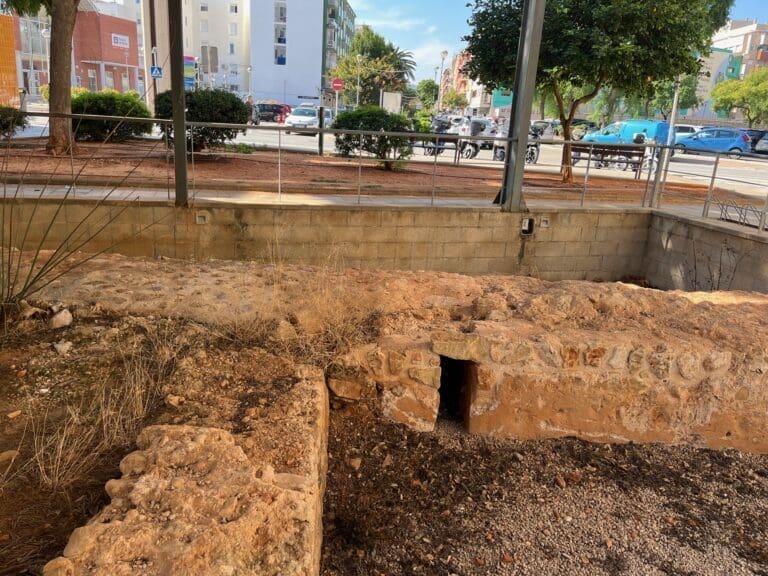
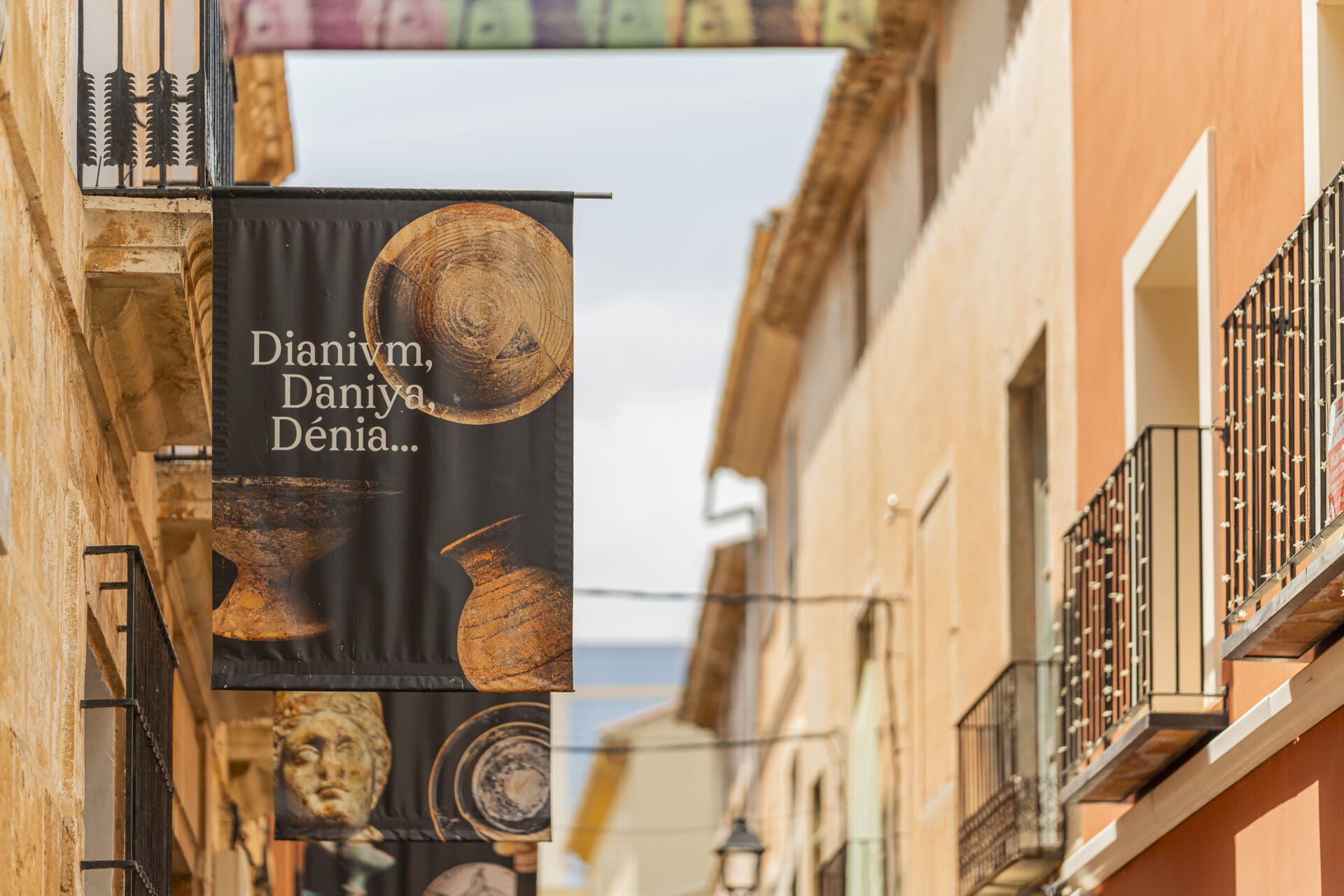
  • The Archaeological Museum of Dénia, located at Cavallers Street 3 in the former manor house of the Marquesa Valero de Palma, exhibits important archaeological pieces from various historical periods of the city.

Civil and religious buildings of baroque and neoclassical style.

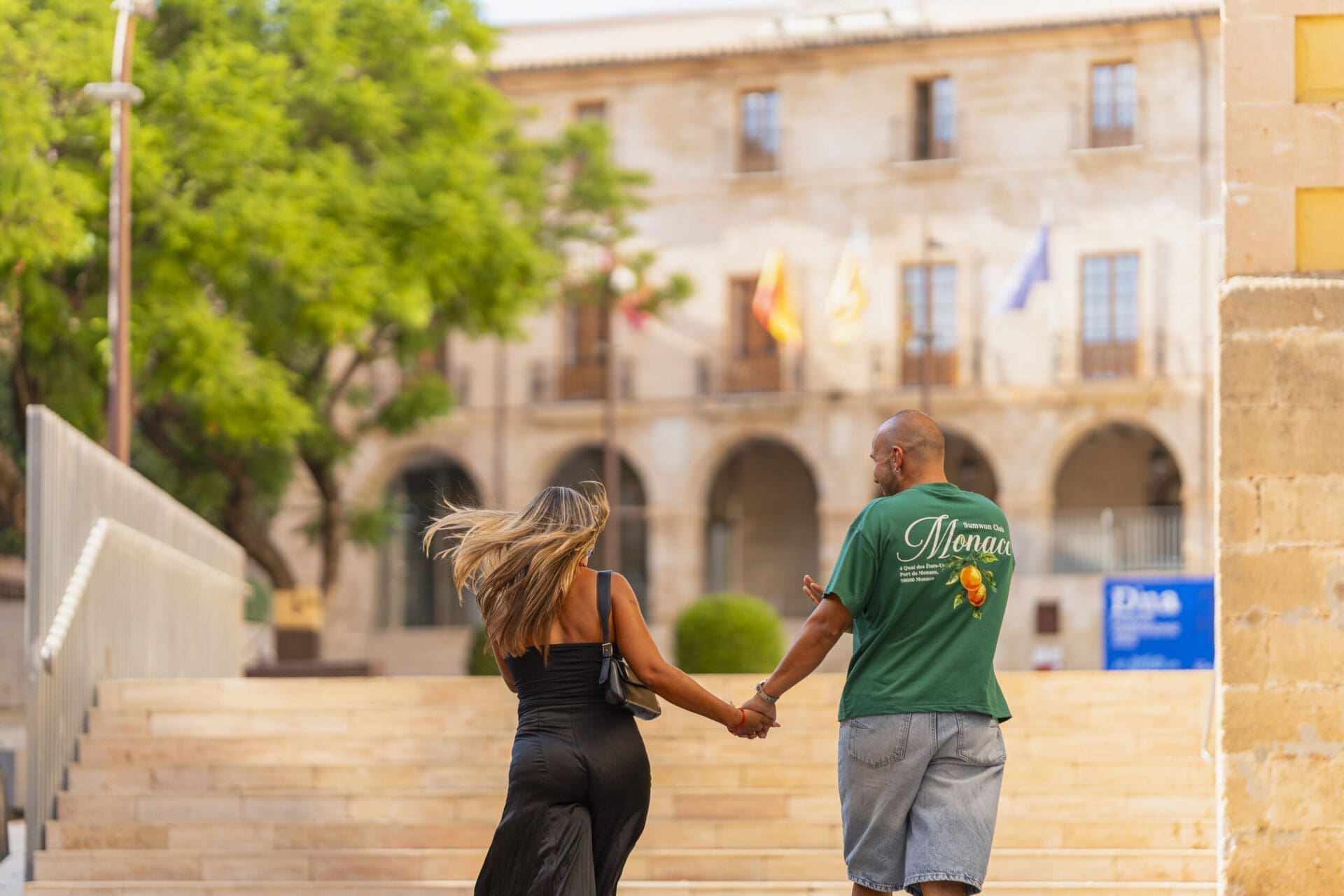
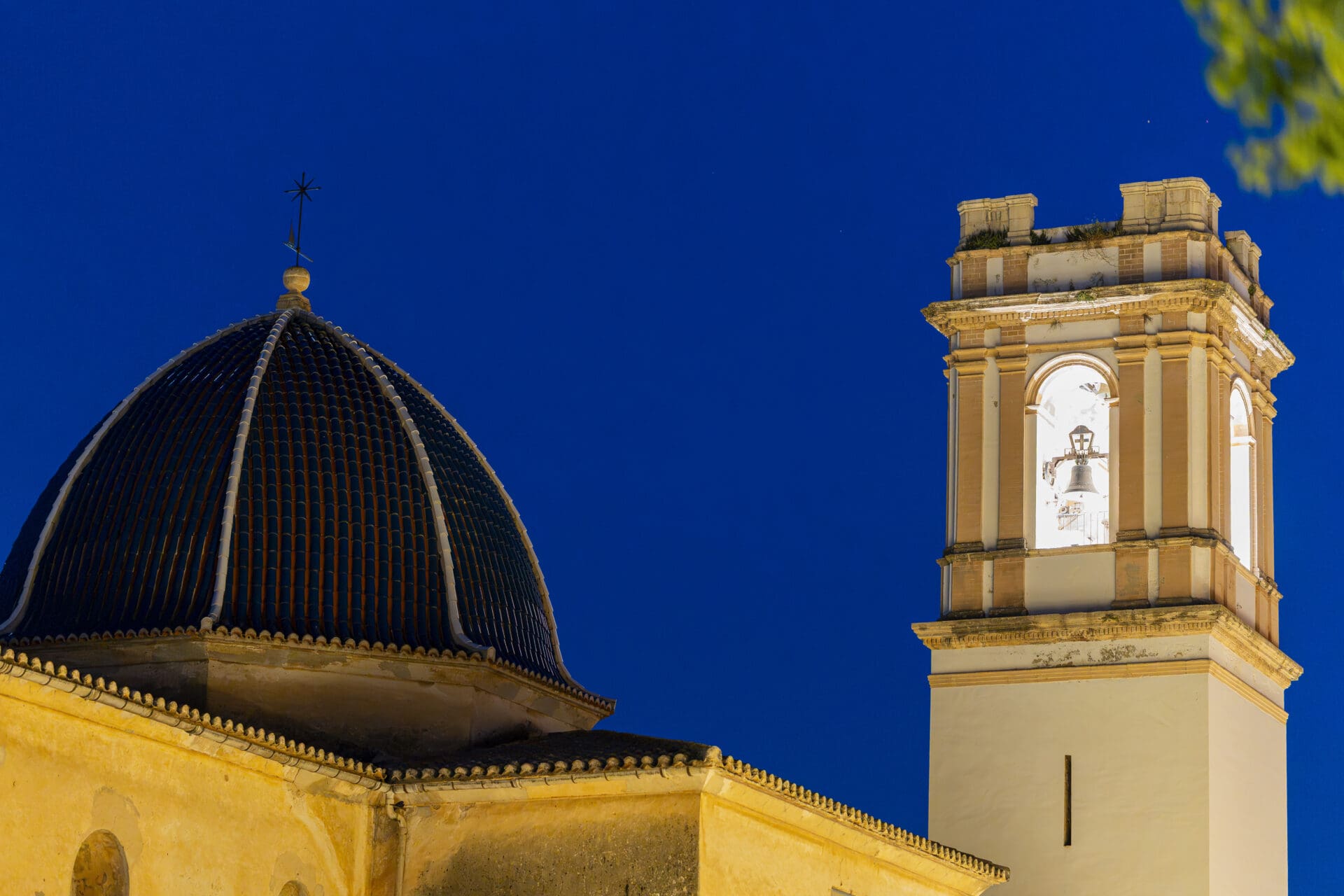
  • In the Pl. de la Constitució, the Church of Our Lady of the Assumption and the Town Hall building. The church can be visited during liturgy hours.
  • In Sant Narcís Street, the Church of Our Lady of Loreto, located on the remains of an ancient hermitage and next to the Convent of the Augustinian Sisters. Its main altar stands out for the altarpiece of the Holy Blood and the image of the patron saint of the city. Visible from a window in the entrance door.

Tunnel – Air-raid shelter

  • It crosses the hill where the castle is located. Its construction dates from 1937-1938, it is currently a museum space open to pedestrians, testimony to the protective importance it had during the Spanish Civil War. It connects Consell sq. with Ronda de les Muralles street, along the outer wall.

Tips for the visit

  • Wear comfortable shoes: for the climb up to the castle and the climb inside the castle, either on the paved path or on the historic cobblestone path of the castle.
  • Check opening hours of the castle and museums.
  • Learn about the history and cultural richness of the castle, the museums, churches and the “historic center” neighborhood by visiting the “what to visit” section of this website and thus enrich the itinerary.
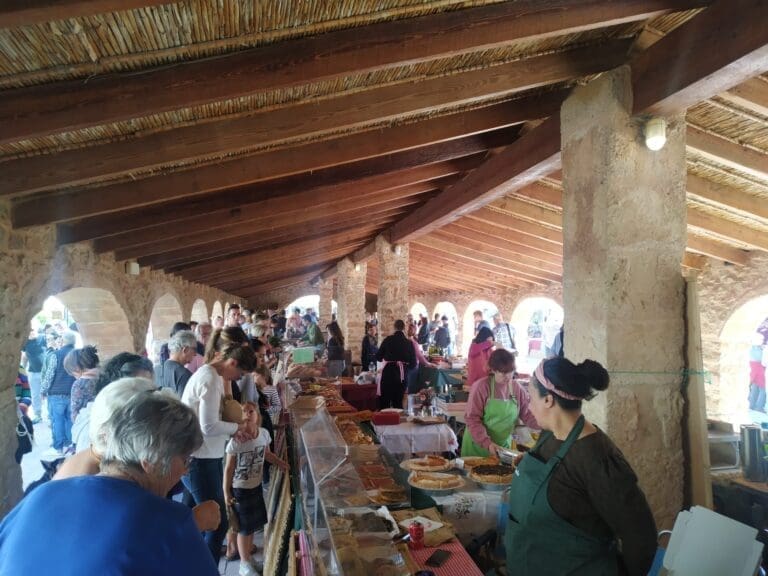
  • Optional stop to taste the local gastronomy: Both in C/Loreto, a pedestrian street with a variety of restaurants with terraces, and in other streets and squares, such as Plaça de la Constitució, areas near Plaça del Consell and some points of the Roques neighborhood.