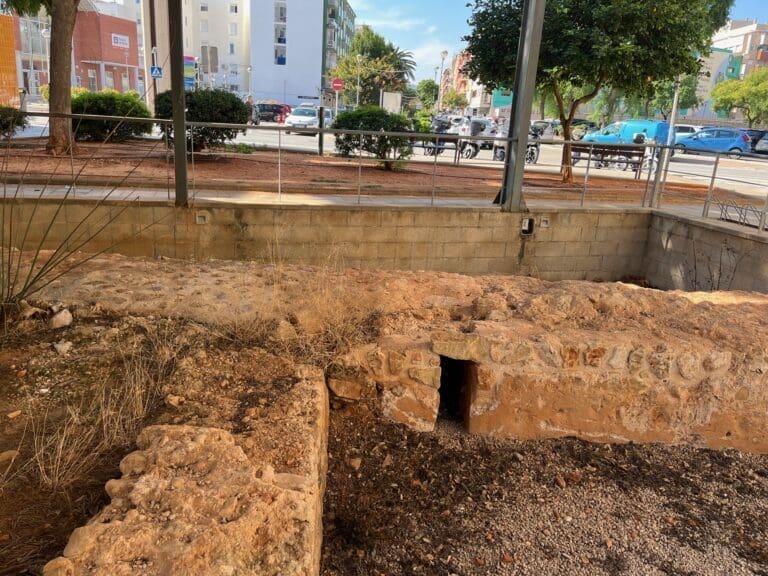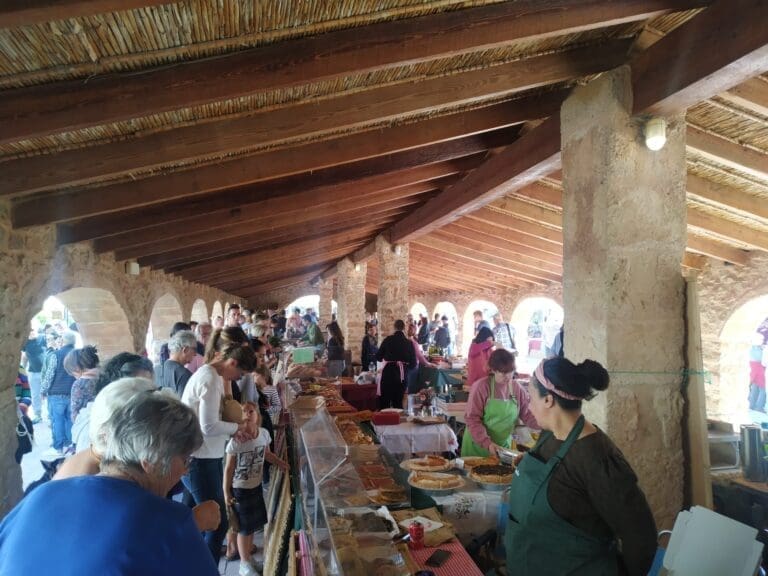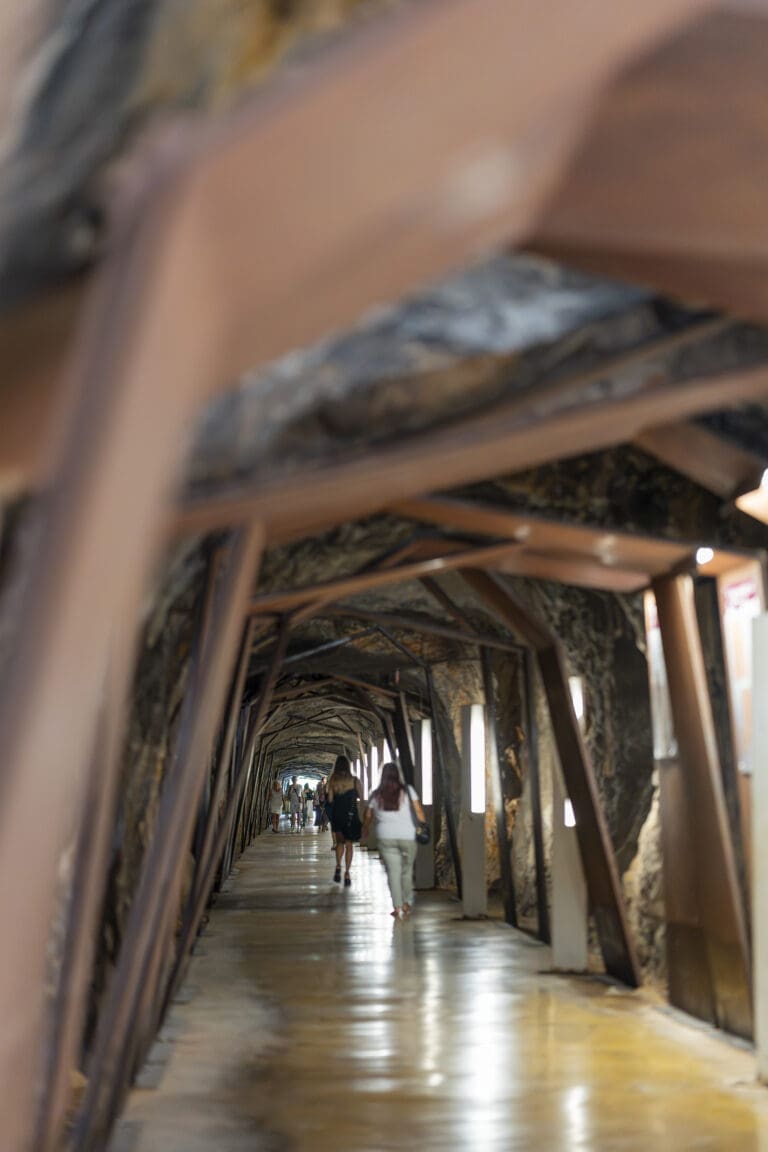

Dénia is home to several archaeological sites that trace its historical evolution from Iberian times to late Romanisation and the early medieval period.
Many of the finds from these archaeological sites are on display at the Archaeological Museum of Dénia, organised by period — Iberian, Roman, Islamic and Medieval — located in the Casa de la Marquesa (Calle Cavallers 3) and associated with the Castle as the main museum space.
Located 10 km north of the town centre on the Les Marines road, this Roman settlement is a typical seaside villa, which was inhabited between the 1st and 3rd centuries.
The villa of Almadrava produced amphorae for storing wine and oil.
It is easily visible as it is located next to the Las Marinas road, near L’Almadrava beach.
It is accessible.
Additional information: MACMA – Discovering the Marina Alta – Jaciment Romà de l’Almadrava